

Quick Answer
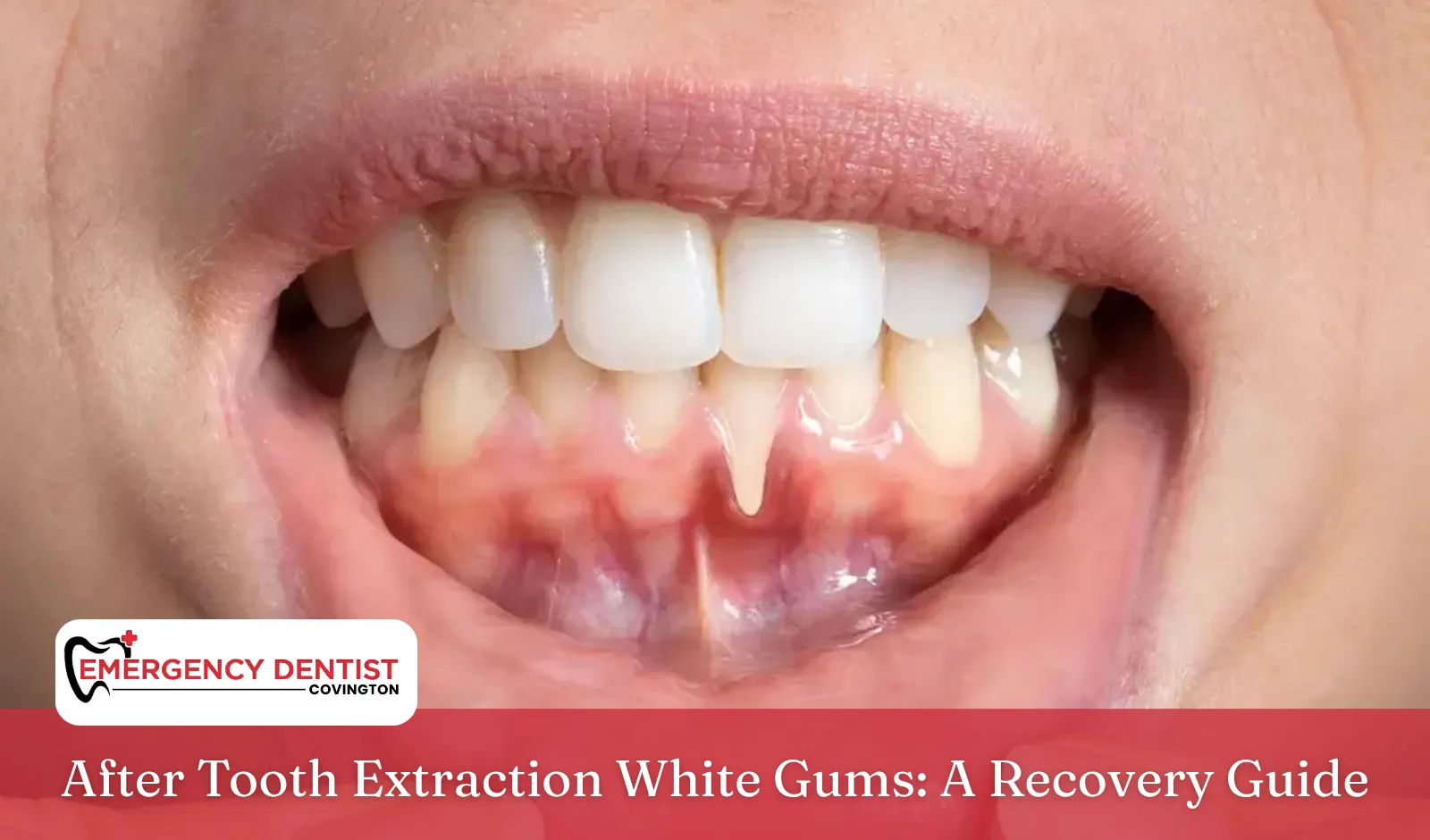
Noticing white gums after tooth extraction does not usually mean the socket is infected. During early recovery, healing tissue can give the area a white, pale, or yellowish appearance. This normally changes as the gums rebuild. Strong pain, fever, increasing swelling, foul odor, or exposed bone are reasons to have the socket examined.
Key Takeaways
- A white layer commonly develops while an extraction wound repairs itself.
- The socket changes in appearance as new tissue replaces the early clot.
- Do not scrape or pick at pale material attached to the wound.
- Careful eating and cleaning habits can help protect early healing.
- New or increasing symptoms are more concerning than color alone.
Seeing white gums after tooth extraction can be surprising, especially when you expect the wound to remain red. An extraction socket goes through several visible changes as it closes, and color changes are among them.
Knowing what those changes mean can help you avoid disturbing healthy healing tissue unnecessarily.
What Makes an Extraction Socket Turn White?

Immediately after removal, bleeding allows a protective clot to develop. That clot covers the bone and nerves and creates the first layer of protection inside the wound.
The next stage of tooth extraction healing involves the growth of granulation tissue. This soft tissue contains collagen, tiny blood vessels, and cells needed for repair. It may look much lighter than normal gums.
The pale covering is therefore often part of the healing process. Over time, new gum tissue develops and the opening becomes smaller.
Related: Extracted Wisdom Tooth Healing: What the Process Looks Like
What Normal Recovery Can Look Like
The appearance of a healing socket can change from one day to another.
During the early stages, white blood cells move into the area as part of the body’s normal response to injury. New tissue then begins filling the tooth extraction site from the inside.
You may notice a cream or off-white surface during the first week. It can remain visible for several days while the wound continues closing.
A larger socket, including one left after wisdom teeth removal, may take longer to fill in and can look more noticeable during recovery.
The important thing is not simply the color of the socket. Consider whether soreness and swelling are becoming better rather than worse.
When the Appearance May Signal a Problem
A white socket is not automatically unhealthy, but certain symptoms deserve attention.
Possible signs of infection include fever, increasing redness or swelling, drainage, and discomfort that becomes stronger. A lasting bad taste or foul smell may also occur.
Another concern is dry socket. This happens when the clot is lost or breaks down before the wound is ready. The socket may appear unusually empty, and visible bone may be present. Pain can become intense and may spread toward the ear or side of the face.
Sometimes what looks like healing tissue is actually food debris. Tiny food particles can become caught in the opening, particularly after meals.
Do not use a fingernail, toothbrush, or other object to remove material from the wound. If you cannot tell what you are seeing, ask a dental professional.
Caring for Your Mouth During Recovery
Good aftercare focuses on protecting the wound while keeping the rest of the mouth clean.
Wait until the day after the extraction before beginning gentle salt water rinses unless your dentist gives different instructions. Move the water carefully instead of swishing hard.
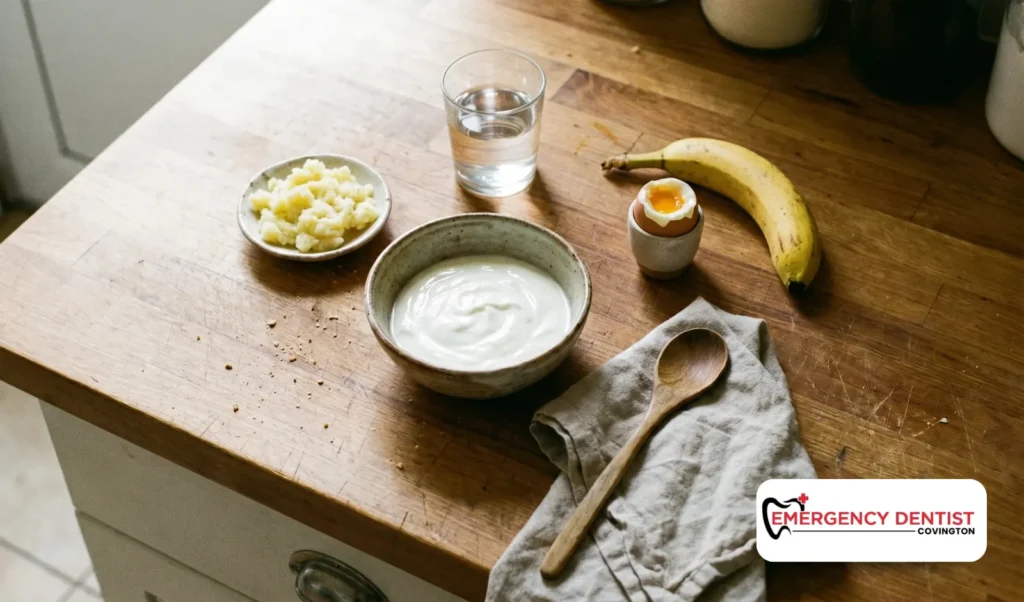
For meals, select foods that are easy to chew and swallow. Soup, scrambled eggs, yogurt, bananas, and mashed potatoes can be useful choices early in recovery.
Continue normal oral hygiene away from the wound. Brush carefully near the extraction area without touching attached white tissue.
It is also important to avoid smoking and avoid drinking through a straw while the wound is in its early stages. Both can create conditions that interfere with the clot.
Following these precautions can help the area heal properly.
Related: Best Food for After Wisdom Tooth Removal for Gentle Recovery
When Professional Care Makes Sense
Mild discomfort shortly after an extraction is expected. Symptoms should generally become easier to manage as recovery continues.
Call a dentist if you develop worsening pain, fever, growing swelling, heavy or ongoing bleeding, an unpleasant odor, or other symptoms that concern you.
An examination is the safest way to distinguish routine healing from a complication.
Related: Tooth Pain After Treatment: What’s Normal and When to Worry?
Final Thoughts
The color of an extraction socket can change considerably during recovery. A pale surface often reflects healthy tissue development rather than infection.
Instead of trying to remove the material, protect the socket, follow your aftercare instructions, and monitor your symptoms.`
Something About Your Healing Doesn't Seem Right?
You may not be able to tell from appearance alone whether an extraction wound is progressing normally. Persistent discomfort or a sudden change in symptoms deserves a closer look.
An Emergency Dentist in Covington can inspect the socket, discuss what you are experiencing, and determine whether the area needs further care. Reach out to arrange an emergency dental appointment if you are concerned about your recovery.
Frequently Asked Questions
Why did my extraction socket change from red to white?
The color can change as the initial clot is replaced by new healing tissue. A pale surface is common during recovery and does not automatically mean you have an infection.
Can food stuck in an extraction socket look white?
Yes. Small pieces of food can sometimes look similar to healing tissue. Avoid digging them out yourself. Follow your dentist’s instructions for gentle rinsing and ask for help if the material remains or causes discomfort.
What symptoms after an extraction should I not ignore?
Increasing pain, fever, growing swelling, persistent bleeding, foul odor, or exposed bone should be discussed with a dentist. These symptoms can occur when an extraction wound needs professional care.