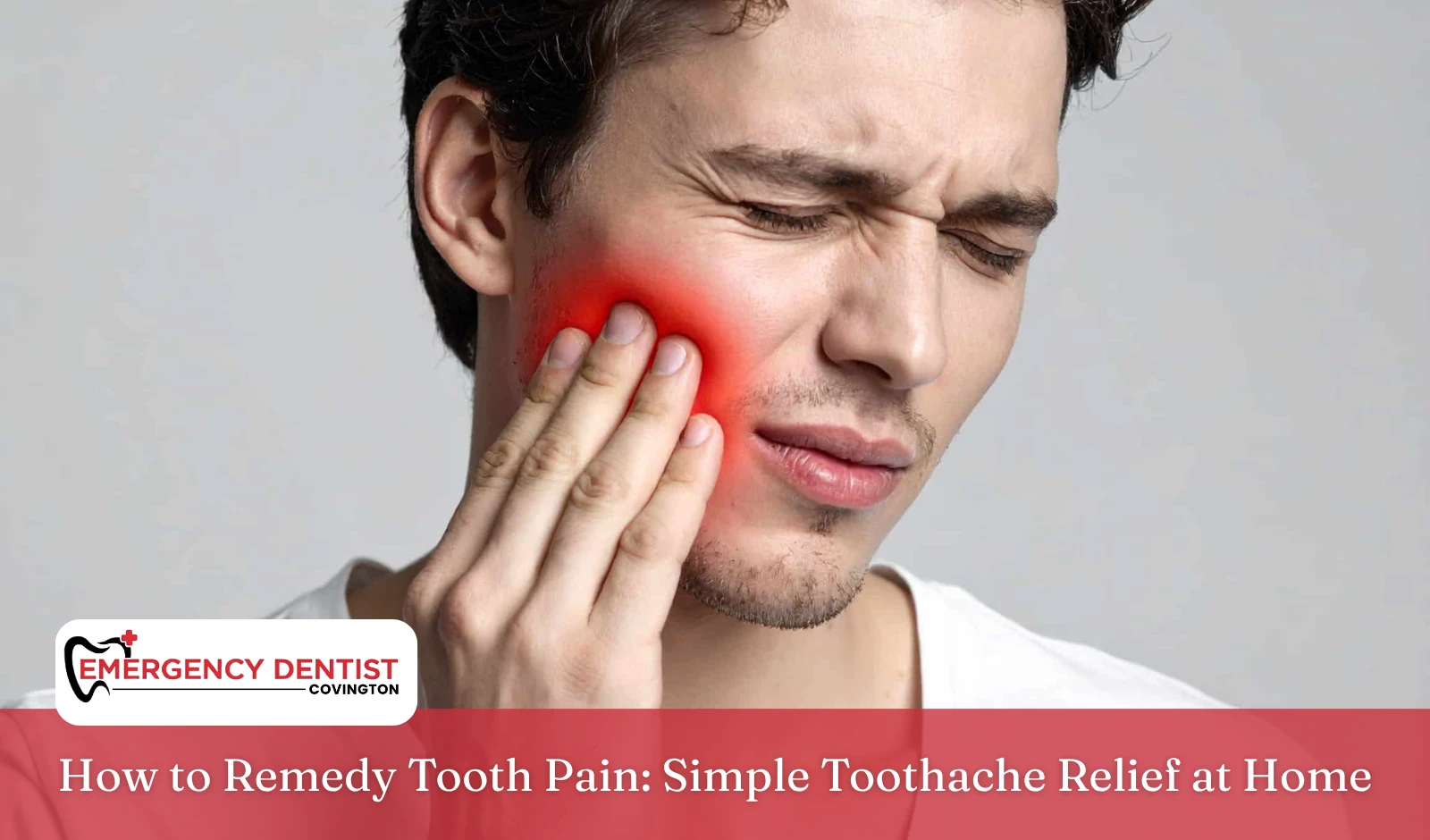
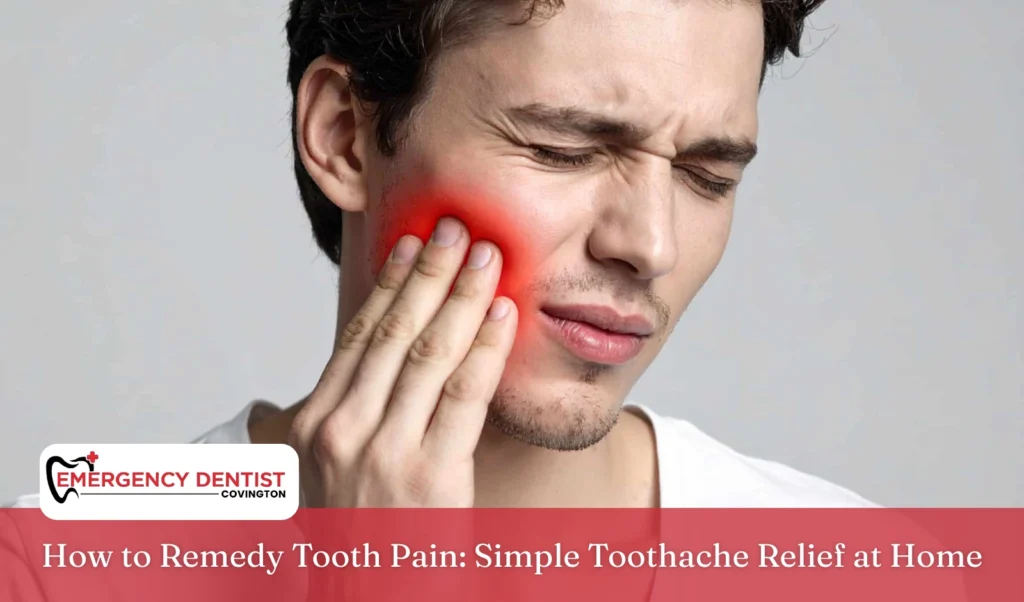
How to Remedy Tooth Pain:
Simple Toothache Relief at Home
Quick Answer
How can you remedy tooth pain quickly at home?
If you want to learn how to remedy tooth pain, start by gently rinsing your mouth with warm water and teaspoons of salt. This simple step helps rinse your mouth, clean the affected area, and reduce irritation around the affected tooth. You can also place cold compresses on the outside of your cheek for about 20 minutes to lower swelling. Some people apply a small amount of clove oil or vanilla extract to a cotton ball and touch it gently to the sore spot. These simple toothache remedies may help calm discomfort until a dentist examines the tooth.
Key Takeaways
- Tooth pain may develop because of tooth decay, infection, cracks in a tooth, or gum disease.
- Simple toothache remedies like saltwater rinses and cold compresses may help reduce irritation.
- Natural remedies such as clove oil, peppermint tea bags, or a warm tea bag may soothe sensitive areas.
- An over-the-counter pain reliever may help reduce swelling because of its anti inflammatory effect.
- Persistent tooth pain should be examined by a dental professional to protect oral health.
Tooth pain can start suddenly and disrupt daily activities. Eating, drinking cold beverages, or even talking may feel uncomfortable when a toothache begins. Because this pain can appear quickly, many people search online to learn how to remedy tooth pain before visiting a dentist.
A toothache often happens when a tooth or nearby tissue becomes irritated. Problems such as tooth decay, cracks in a tooth, or gum disease may allow bacteria to reach deeper parts of the tooth where sensitive nerves are located.
Although professional dental care is the best solution, some toothache remedies may provide temporary relief. Learning safe ways to manage discomfort may help protect the affected tooth until you receive proper dental treatment.
This guide explains common causes of tooth pain, simple home remedies, and when to contact an Emergency Dentist in Covington.
Why Tooth Pain Happens
Understanding the cause of tooth pain can help you know when dental care may be needed.
Tooth Decay
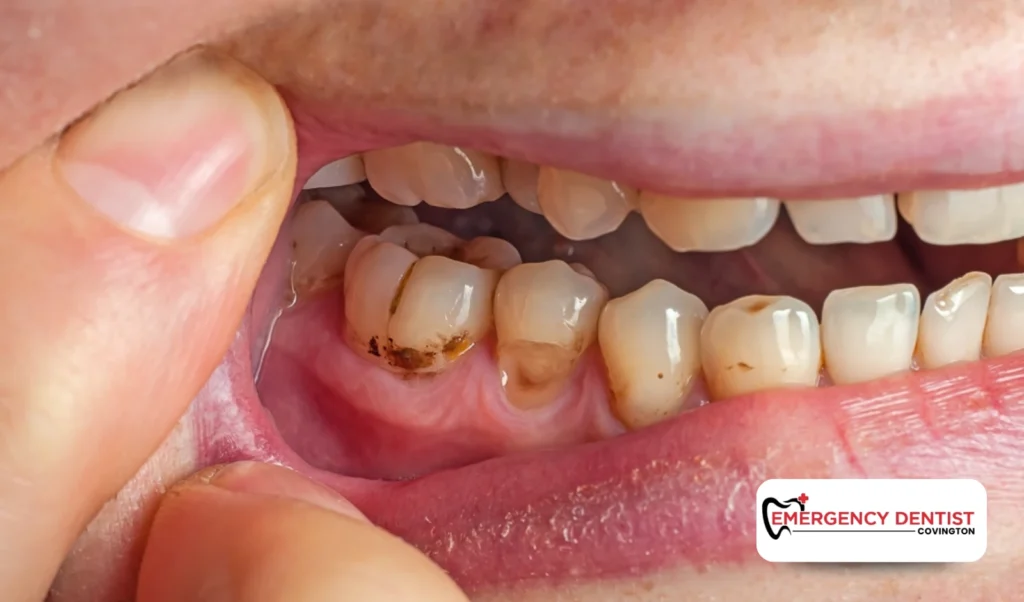
One common cause of toothaches is tooth decay. Bacteria in the mouth feed on sugars from food and drinks and produce acids that damage tooth enamel. Over time, this damage can create cavities. When decay reaches deeper parts of the tooth, it may irritate sensitive tissues and cause tooth pain.
Gum Disease
Gum disease develops when plaque and bacteria build up along the gumline. Early signs may include swollen or bleeding gums. If untreated, the infection can spread to the tissues that support the teeth and increase discomfort around the affected area.
Cracked or Damaged Teeth
A tooth may crack after biting hard foods, grinding teeth, or experiencing an injury. Even a small crack can expose sensitive layers inside the affected tooth, which may lead to pain.
Dental Infection
A dental infection occurs when bacteria reach the inner part of the tooth. This can create pressure inside the tooth and cause strong tooth pain, requiring professional dental treatment.

Signs of a Toothache
Recognizing the symptoms of a toothache can help you know when to seek dental care.
Common signs include:
- Persistent tooth pain
- Sensitivity to hot or cold foods
- Pain when chewing
- Swelling near the gums
- Tenderness around the affected tooth
- Unpleasant taste in the mouth
Some toothaches may improve temporarily, but ongoing symptoms usually mean the affected area needs professional attention.

Home Remedies That May Help Tooth Pain
If you cannot visit a dentist right away, several simple toothache remedies may help reduce discomfort for a short time.
Saltwater Rinse
A saltwater rinse is one of the easiest ways to support oral health and soothe irritated tissue.
Mix warm water with teaspoons of salt, then gently rinse your mouth for about 30 seconds before spitting it out.
This rinse may help:
- Remove bacteria
- Reduce swelling in the affected area
- Support healing
- Improve overall oral health
Saltwater may also help draw fluid away from irritated tissue.
Cold Compresses
Applying cold compresses can help numb discomfort and reduce swelling.
Place a cold pack against your cheek near the affected tooth for about 20 minutes.
Cold temperatures help slow blood flow and may reduce inflammation in the painful area.
Clove Oil
Clove oil has been used for many years as a natural remedy for tooth pain toothache. It contains compounds that may create a mild numbing effect.
To use clove oil:
- Place a small amount on a cotton ball
- Gently apply it to the affected area
- Avoid swallowing the oil
This method may help calm irritation and reduce temporary discomfort.
Peppermint Tea Bags
Another natural option for mild discomfort is using peppermint tea bags.
Peppermint contains soothing compounds that may help calm irritated tissues. A warm tea bag placed against the affected tooth may provide temporary relief.
Hydrogen Peroxide Rinse
A diluted hydrogen peroxide rinse may help clean bacteria from the mouth.
Mix equal parts hydrogen peroxide and warm water, then gently swish the mixture before spitting it out.
Never swallow the solution.
This rinse may help keep the affected area clean and support better oral health.
Vanilla Extract
Some people use vanilla extract as a home remedy for mild tooth discomfort. Vanilla contains small amounts of alcohol and natural compounds that may produce a mild numbing effect.
Place a small amount on a cotton ball and gently apply it to the affected tooth.
Over-the-Counter Pain Relief
A common pain reliever such as ibuprofen or acetaminophen may help reduce swelling and ease tooth pain.
These medications often have an anti-inflammatory effect that may reduce irritation while you wait for dental care.
Always follow the dosage instructions on the medication label.
Protecting the Painful Tooth
While managing a toothache, protecting the affected tooth is important.
Helpful tips include:
- Avoid chewing on the painful side
- Eat soft foods until discomfort improves
- Brush gently around sensitive gums
- Avoid extremely hot or cold drinks
These steps may help prevent additional irritation around the affected area.
When to Contact an Emergency Dentist
Home toothache remedies may help temporarily, but certain symptoms require professional care.
Contact an Emergency Dentist in Covington if you experience:
- Severe or worsening tooth pain
- Swelling in the face or jaw
- Fever with dental discomfort
- Difficulty swallowing or breathing
- A broken or knocked-out tooth
- Pus near the gums
Early treatment helps prevent infection and protects your oral health.
Habits That Help Prevent Tooth Pain
Healthy daily habits can reduce the risk of toothaches.
Helpful tips include:
- Brushing twice daily with fluoride toothpaste
- Flossing between teeth every day
- Limiting sugary foods and drinks
- Drinking plenty of water
- Visiting a dentist regularly for checkups
Routine dental visits help detect tooth decay or gum disease before they cause serious discomfort.
Final Thoughts
Learning how to remedy tooth pain at home may help reduce discomfort for a short time. Simple toothache remedies like saltwater rinses, cold compresses, and clove oil may calm irritation around the affected tooth.
However, these methods only provide temporary relief. Dental problems such as tooth decay, infection, or gum disease require professional care to protect long-term oral health.
If your symptoms continue or worsen, scheduling a dental appointment is the safest step.
Trusted Tooth Pain Care in Covington
Severe tooth pain should never be ignored. If home remedies do not provide relief, professional dental treatment may be necessary to protect the affected tooth and prevent complications.
The team at Emergency Dentist in Covington provides urgent dental evaluations to identify the cause of discomfort and recommend the right treatment quickly.
If you are experiencing persistent tooth pain, contact an Emergency Dentist in Covington today to schedule an emergency dental visit and receive prompt care.
Frequently Asked Questions
Can peppermint tea bags help a toothache?
Warm peppermint tea bags may help calm irritated gums and provide temporary comfort for mild tooth pain.
Is vanilla extract safe to use for a toothache?
A small amount of vanilla extract applied with a cotton ball may provide mild temporary numbing around the affected area.
How long should cold compresses be used for tooth pain?
Dentists usually recommend applying cold compresses for about 20 minutes at a time to help reduce swelling.