
After Care for Wisdom Tooth Removal: A Guide
Quick Answer
What should you do after wisdom tooth extraction?
After wisdom tooth extraction, protect the extraction site, manage pain and swelling, prevent excess bleeding, and follow all after care instructions for wisdom tooth removal given by your dental provider. The first 48 hours are especially important for proper healing.
Key Takeaways
- The first 48 hours play a major role in healing.
- Protect the tooth socket so the blood clot stays in place.
- Mild bleeding, oozing or redness can happen early on.
- Rinse gently with warm salt water after 24 hours.
- Avoid disturbing the surgical areas.
- Take medication exactly as directed if your provider needs to prescribe pain medication.
- Call an Emergency Dentist in Covington if you notice excess bleeding or severe symptoms.
Having your wisdom teeth removed is a routine surgical procedure, but your body still needs time to recover. Whether the tooth was fully visible or you had impacted wisdom teeth under the gum, healing begins right away.
After a tooth extraction, a protective blood clot forms inside the tooth socket. This clot covers sensitive nerves and bone. It acts like a natural bandage. If the clot moves or dissolves too soon, it can cause discomfort and slow healing.
Proper after care for wisdom tooth removal helps protect the blood clot and reduces the risk of complications.
In this guide, you will learn what to expect after surgery, how to care for your mouth, and how to recognize warning signs.
The First Hour After Surgery

The hour after surgery is important. Your dental team will place gauze over the extraction site. Gently bite down to apply steady pressure. This helps stop bleeding and supports clot formation.
Some bleeding, oozing or redness in your saliva is normal during this stage. Light bleeding may continue for a few hours. However, heavy or ongoing excess bleeding is not typical.
If bleeding does not slow after you change the gauze several times, call the office for guidance.
During the first hour after surgery:
- Keep your head slightly raised
- Avoid rinsing your mouth
- Do not spit forcefully
- Do not use a straw
These simple steps protect the tooth socket while it begins to heal.
The Day After Surgery
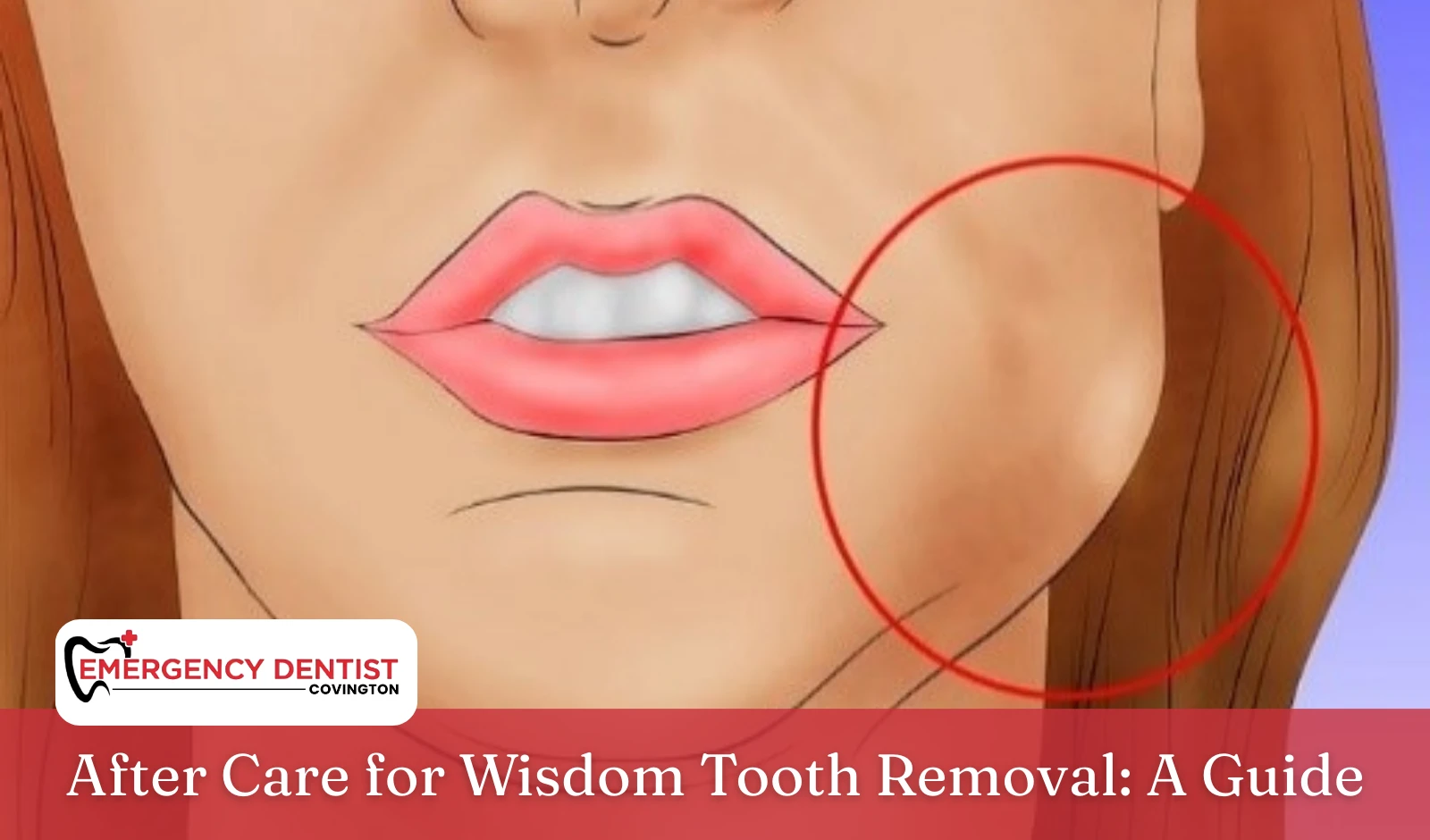
The day after surgery, discomfort may increase slightly. Pain and swelling are common responses to a surgical procedure. Your cheeks may look puffy, and your jaw may feel tight.
Your provider may prescribe pain medication or suggest over-the-counter options. Take medicine exactly as instructed. This is an important part of wisdom tooth removal care after surgery.
You can also:
- Use a cold compress on the outside of your face
- Rest and avoid exercise
- Eat soft, easy-to-chew foods
After wisdom tooth removal, care during this stage focuses on keeping the area clean while protecting the surgical areas.
You may gently brush your teeth, but avoid brushing directly over the extraction site. Keeping the rest of your mouth clean helps reduce bacteria.
The First 48 Hours

The first 48 hours are the most sensitive part of healing. What you do during this time can affect your recovery.
Avoid the following:
- Smoking
- Alcohol
- Hard or crunchy foods
- Vigorous rinsing
Your goal is to protect the blood clot inside the tooth socket.
After 24 hours, you can begin rinsing gently with warm salt water. Mix one teaspoon of salt into a cup of warm water. Let the liquid move gently around your mouth, then allow it to fall out without force.
Warm salt water helps soothe the surgical areas and keeps the mouth clean. It is one of the most helpful steps in wisdom tooth removal after care.
Managing Pain and Swelling

Pain and swelling often peak two to three days after your wisdom tooth is removed. This is a normal part of post operative care.
To reduce discomfort:
- Continue cold compresses for the first day
- Switch to gentle warmth after swelling begins to improve
- Stay hydrated
- Follow medication instructions carefully
If pain suddenly becomes worse instead of better, especially several days later, contact your dental provider in Covington. Sharp or increasing pain may need evaluation.
Eating and Drinking Safely
Choosing the right foods supports healing.
For the first few days:
- Eat yogurt, mashed potatoes, eggs, oatmeal, or soup
- Avoid seeds, nuts, chips, and spicy foods
- Chew on the opposite side of your mouth
Do not drink through a straw. Suction can disturb the clot inside the extraction site.
During the week after surgery, most people slowly return to regular foods as comfort improves.
Keeping Your Mouth Clean
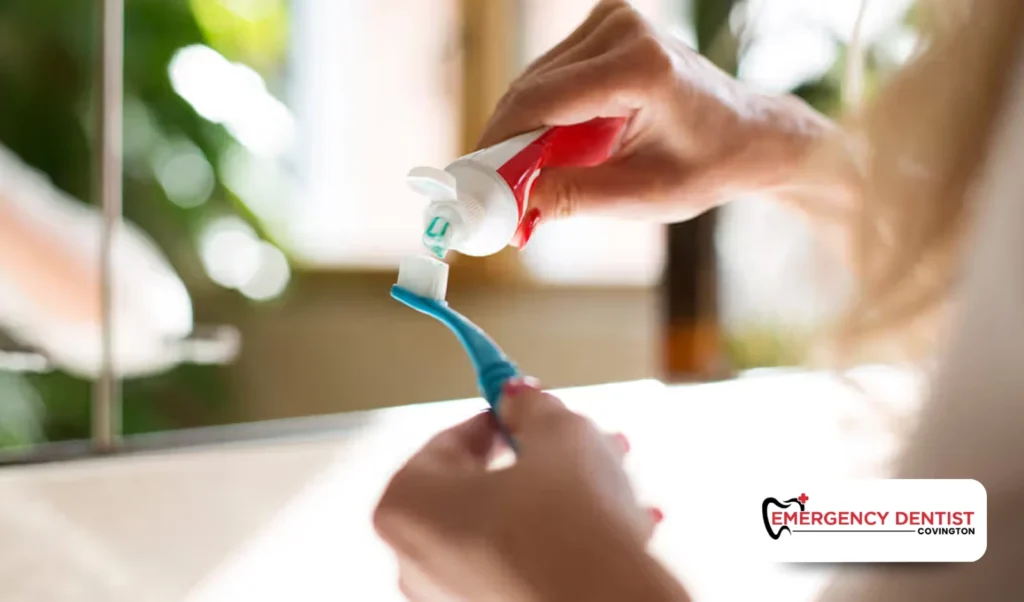
Cleanliness is essential during after wisdom tooth removal care.
You can:
- Brush your teeth gently the evening of surgery
- Avoid direct brushing over the surgical areas
- Rinse with warm salt water after 24 hours
Avoid strong mouth rinses unless instructed. Gentle care protects the clot and lowers the risk of infection.
Following complete after care instructions for wisdom tooth removal improves your chances of a smooth recovery.
What Is Normal During Recovery?
As part of the removal of wisdom tooth aftercare process, some symptoms are normal while your mouth heals.
Common signs include:
- Mild bleeding, oozing or redness
- Swelling
- Jaw stiffness
- Minor bruising
These symptoms should gradually improve.
However, you should call an Emergency Dentist in Covington if you notice:
- Excess bleeding that continues
- Fever
- Pus
- Worsening pain
- A strong bad odor
These signs may require professional evaluation.
Recovery Timeline
Healing looks slightly different for everyone, but most patients follow a similar pattern.
First 24 hours:
Clot forms and bleeding slows.
48 hours:
Swelling may peak. Begin warm salt water rinses.
3–5 days:
Pain and swelling improve steadily.
Week after surgery:
Most normal activities can resume comfortably.
If stitches were placed, your provider will explain when they dissolve or need removal.
Impacted Wisdom Teeth and Healing
Impacted wisdom teeth often require a more involved surgical procedure. Because these teeth sit under the gum or bone, the surgical areas may be larger.
Healing may take a little longer in these cases. Swelling can be more noticeable, and careful post operative care is even more important.
Stay consistent with instructions to support proper recovery.
When to Contact a Dental Professional
Most healing is uneventful, but complications can happen.
Never ignore severe symptoms. If something feels unusual, call an Emergency Dentist in Covington for advice.
Quick attention can prevent small problems from becoming serious ones.
Final Thoughts
Healing after a wisdom tooth is removed requires patience and steady care. Protecting the clot, managing pain and swelling, and keeping your mouth clean are the main goals.
The first 48 hours matter most. Gentle habits during this time support long-term healing.
By following clear after care instructions for wisdom tooth removal, most people recover without difficulty and return to normal activities within a week.
Protect Your Healing: Support When You Need It
If you recently had a tooth extraction and have concerns about your recovery, do not wait and wonder. Professional guidance can provide reassurance and prevent complications.
An Emergency Dentist in Covington offers careful evaluations, clear explanations, and supportive care during every stage of healing.
Schedule your evaluation today and get peace of mind during your recovery.
Frequently Asked Questions
Is it normal to see blood the day after surgery?
Yes, mild bleeding, oozing or redness can happen in the first 24 hours. Heavy bleeding should be checked.
When can I brush my teeth again?
You can brush your teeth gently the same evening, but avoid the extraction site for several days.
How long will pain and swelling last?
Discomfort usually improves within a few days and continues getting better during the week after surgery.
What foods should I avoid after surgery?
Avoid hard, crunchy, or spicy foods for several days.
Why does my jaw feel tight?
Jaw stiffness is common after a surgical procedure and improves with time.
When should I call a professional?
Call an Emergency Dentist in Covington if you have excess bleeding, fever, or worsening pain.
Do impacted wisdom teeth take longer to heal?
Yes, impacted wisdom teeth often require more healing time because the procedure is more involved.
Can I go back to work or school the next day after wisdom tooth removal?
Most people can return to light activities the day after surgery. However, if you have impacted wisdom teeth or feel significant pain and swelling, you may need an extra day or two of rest.

ABOUT THE AUTHOR
Dr. Taylor Nielsen, DMD
Co-Founder of Emergency Dentist Atlanta, Covington, & More
Dr. Taylor Nielsen, DMD, earned his dental degree from Oregon Health & Science University after graduating with honors from Brigham Young University–Idaho. With over 1,000 hours of volunteer dental service, he is committed to providing high-quality, comfortable, and personalized care for every patient.