

Quick Answer
What is the right treatment for a chipped tooth?
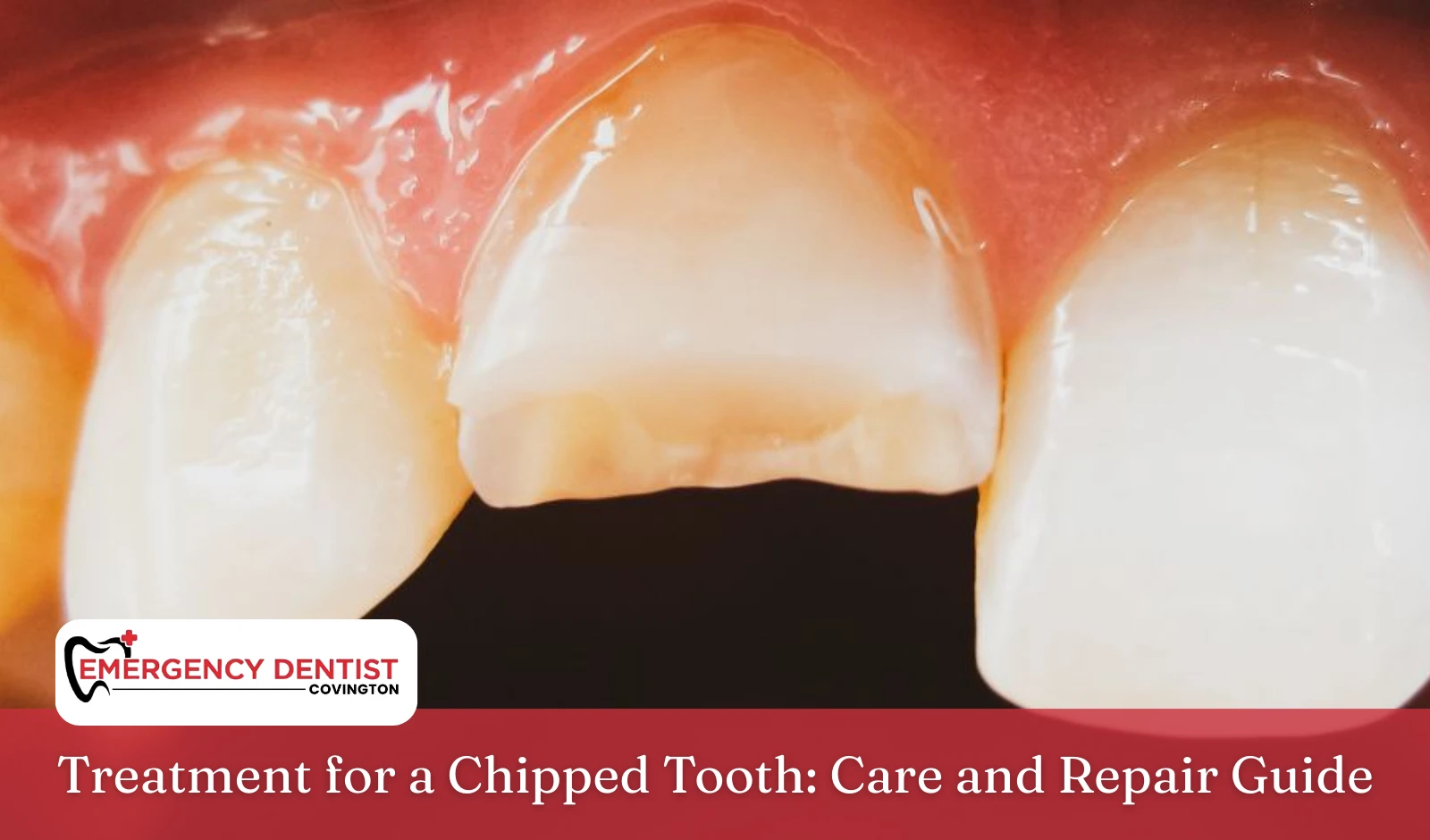
The best treatment for a chipped tooth depends on how much of the tooth is damaged. Minor chips may be repaired with dental bonding, while deeper chips or cracks could require veneers, a dental crown, root canals, or even a dental implant. Early care helps protect the natural tooth and prevent further damage.
Key Takeaways
- Even small chips can worsen without treatment.
- A jagged edge or sharp edge can irritate soft tissues and increase risk of infection.
- Options for treatment for a chipped tooth include dental bonding, veneers, crowns, and root canals.
- Quick care helps preserve the natural tooth and restore comfort.
- Protective habits can reduce the chances of future chips or cracks.
Chipping a tooth can happen when you least expect it. A sudden bite into hard food, a sports accident, or teeth grinding at night can cause a break in the surface of the tooth. While it may seem minor at first, a chipped tooth can lead to sensitivity, discomfort, and even infection if ignored.
Whether the damage involves minor chips or a larger break affecting a part of the tooth, prompt dental care can make a significant difference.
Why Chipped Teeth Should Not Be Ignored
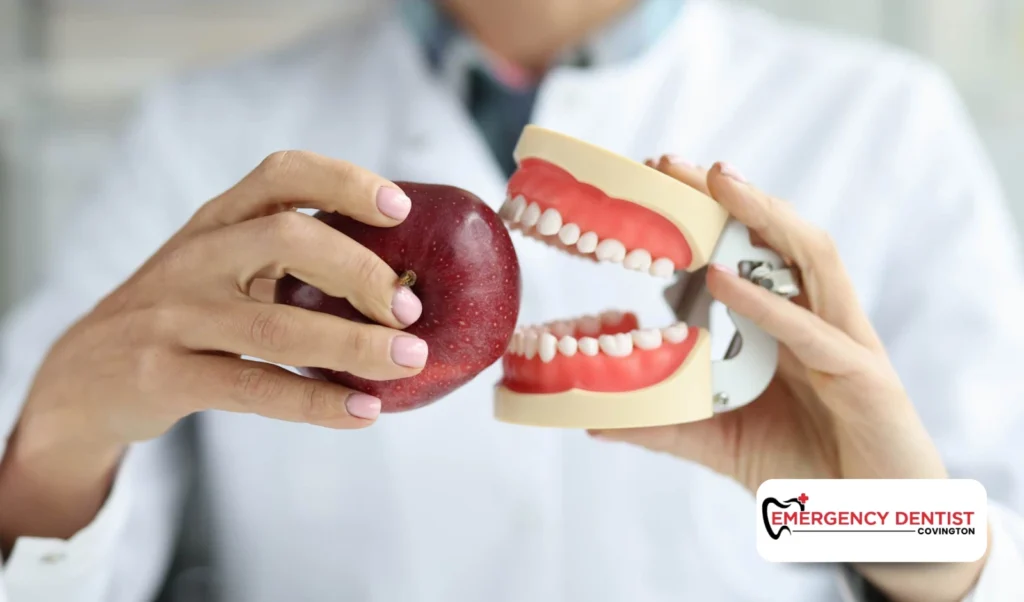
Teeth are durable, but they can still be damaged. When you chip a tooth, the protective enamel layer is compromised. This may expose sensitive dentin or, in severe cases, the inner pulp of the tooth.
Common causes of chipped teeth include:
- Biting hard objects such as ice or candy
- Accidental falls or facial injuries
- Teeth grinding or clenching
- Cavities weakening the tooth structure
- Using teeth as tools to open items
A chipped tooth may leave behind a sharp edge that irritates your tongue or cheeks. Even if pain is mild, untreated chips or cracks can expand and lead to more complicated problems.
Seeking early treatment helps prevent further damage and supports long-term oral health.
Is a Chipped Tooth Always an Emergency?
Not every chipped tooth causes immediate pain, but many still require timely care. If the break exposes sensitive layers or creates discomfort, professional evaluation is important.
You should contact a dentist promptly if you notice:
- Tooth sensitivity to temperature or pressure
- Bleeding or swelling around the tooth
- A visible jagged edge
- Pain while chewing
- A noticeable chip affecting appearance
Early treatment for a chipped tooth reduces the risk of infection and improves the chances of preserving the natural tooth.
Best Treatment for Chipped Front Tooth
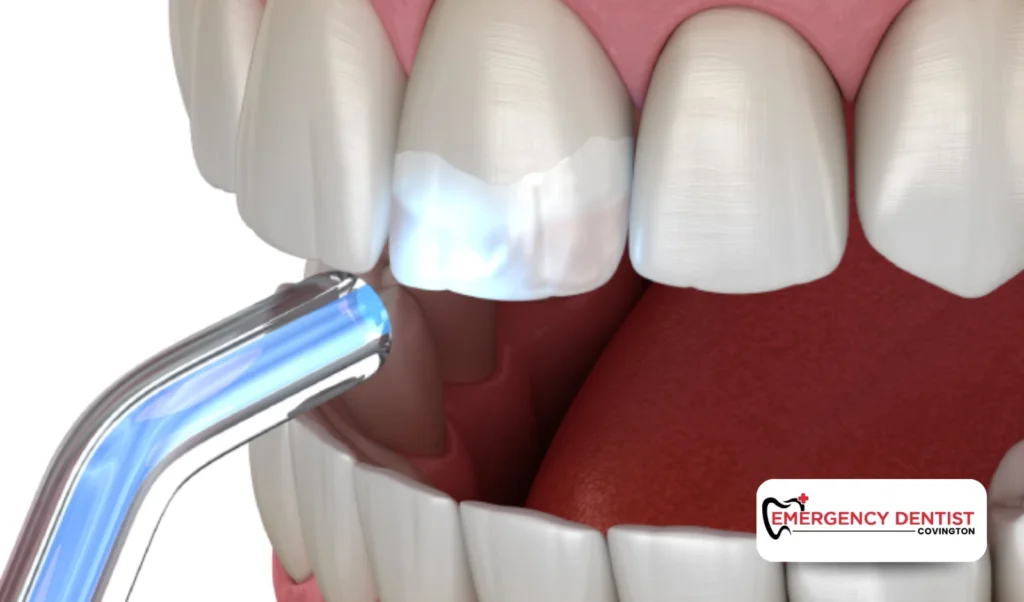
Front teeth play a major role in both appearance and speech. Because of this, the best treatment for chipped front tooth situations focuses on restoring both function and aesthetics.
Dental Bonding: For minor chips, dental bonding is often the simplest solution. A dentist applies a tooth colored resin to the damaged area, reshapes it, and hardens it using a curing light. This approach blends naturally with surrounding teeth and is typically completed in one visit.
Dental Veneers: When a chip affects the appearance of a larger area, dental veneers may be recommended. These thin shells cover the front of the tooth and provide a smooth, durable surface that improves both strength and appearance.
Dental Crown: If a significant part of the tooth is missing or weakened, a dental crown may be the most effective choice. Crowns fully cover the tooth, restoring structure and preventing additional fractures.
Choosing the right treatment for chipped front tooth cases depends on the severity of the damage and the patient’s cosmetic goals.
Treatment for a Chipped Tooth in More Severe Cases
Sometimes a chipped tooth affects deeper layers. When this happens, more advanced procedures may be necessary.
Root Canals: If the pulp becomes inflamed or infected, root canals may be required. This treatment removes damaged tissue and seals the tooth, often followed by crown placement for protection.
Dental Implant: If the tooth cannot be saved due to severe damage, extraction followed by a dental implant may be recommended. Implants replace missing teeth while preserving jawbone health and function.
Professional evaluation ensures the most suitable treatment for a chipped tooth based on individual needs.
Temporary Care Before Seeing a Dentist
If immediate dental care is not possible, taking protective steps at home can help reduce discomfort and protect the tooth.
Helpful measures include:
- Rinsing with warm salt water to keep the area clean
- Applying dental wax to cover a sharp edge
- Using over-the-counter pain relievers if needed
- Avoiding chewing on the affected side
- Choosing soft foods to reduce pressure
These strategies do not replace professional care but can help while repairing a chipped tooth.
How Dentists Fix a Chipped Tooth
Dentists evaluate the depth and location of the damage before recommending treatment. Imaging and examination help determine whether the enamel, dentin, or pulp is affected.
The process to fix a chipped tooth typically involves:
- Smoothing rough edges if the chip is very small
- Rebuilding missing structure with bonding materials
- Placing veneers or crowns for added strength
- Performing root canals when nerve involvement is present
Preventing Future Chips and Damage
Although accidents cannot always be avoided, certain habits can reduce the risk of future tooth damage.
Preventive tips include:
- Wearing a mouthguard during sports
- Using a nightguard if you grind your teeth
- Avoiding chewing ice or hard objects
- Addressing cavities early to maintain tooth strength
- Seeking prompt care when small chips appear
Early attention to minor chips often makes treatment simpler and helps maintain healthy tooth structure.
Final Thoughts
A chipped tooth may seem minor at first, but even small damage can lead to sensitivity, discomfort, or more serious dental concerns if left untreated. Acting quickly helps protect the natural tooth, prevent further damage, and restore both comfort and appearance.
Whether the chip is small or involves deeper layers, modern dental treatments offer reliable ways to fix a chipped tooth and preserve long-term oral health. If you notice a sharp edge, sensitivity, or changes in your bite, seeking professional evaluation early can make treatment simpler, faster, and more effective.
Restore Your Smile Before the Damage Worsens
Even minor chips can lead to bigger problems if ignored. An Emergency Dentist in Covington provides prompt care to fix a chipped tooth, protect your natural smile, and relieve discomfort. Schedule an evaluation today and take the first step toward lasting comfort and confidence.
Frequently Asked Questions
I chipped my tooth but it didn't hurt. Do I still need treatment?
Yes. Even painless chips can grow larger over time. A dentist can smooth rough areas and recommend the appropriate treatment for a chipped tooth before complications develop.
What can I do at home if my chipped tooth feels sharp?
You can cover the sharp edge with dental wax, avoid chewing on that side, and rinse with warm salt water until you receive professional care.
Will repairing a chipped tooth look natural?
Most modern treatments, especially dental bonding and veneers, use materials that closely match natural enamel, helping your repaired tooth blend seamlessly with your smile.