
Can Tooth Pain Cause Headaches? Signs You Should Know
Quick Answer
Can tooth pain cause headaches?
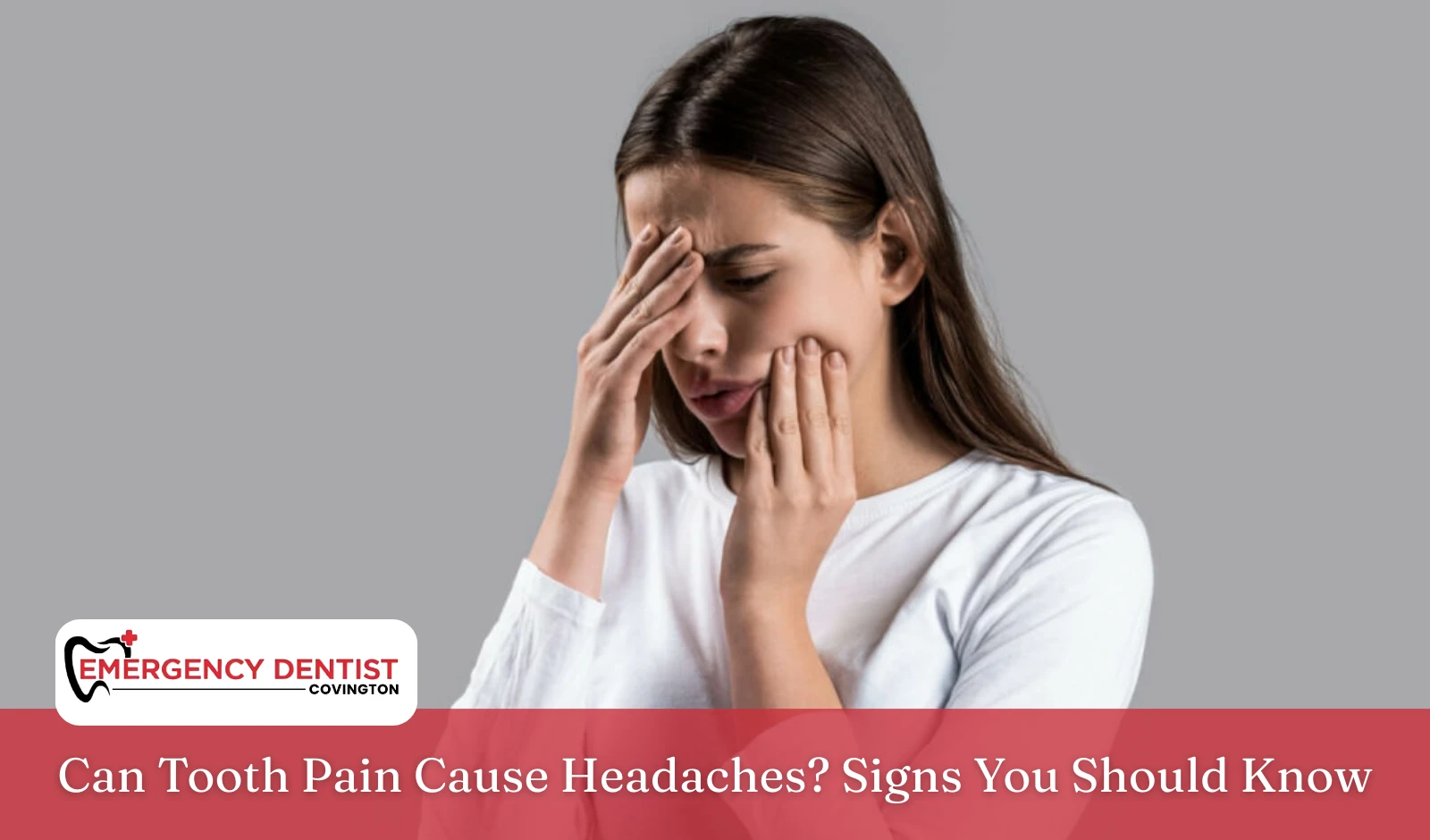
Yes. Dental problems can irritate shared nerve pathways, especially the trigeminal nerve, causing headache and tooth pain at the same time. Issues such as infection, grinding, TMJ, or tooth sensitivity may trigger persistent head pain that feels unrelated to the mouth but actually begins with a dental issue.
Key Takeaways
- The trigeminal nerve connects teeth, jaw, and head, allowing dental pain to trigger headaches.
- Common dental concerns like infection, grinding, and TMJ frequently lead to tension headaches.
- Tooth pain while pregnant may worsen due to hormonal changes and morning sickness.
- Home remedies can help reduce inflammation temporarily, but professional dental care is essential.
- Dental infections left untreated can lead to serious oral health and overall health complications.
Many patients are surprised to learn that a toothache can cause a headache, and this situation is more common than expected. The reason lies in the complex network of nerves in your face and jaw. The trigeminal nerve carries sensations from your teeth, gums, and jaw to the brain. When this nerve becomes irritated, the discomfort may travel beyond the mouth, resulting in a tooth pain headache or pressure around the temples, eyes, or forehead.
Because of this connection, what feels like a simple headache may actually be a warning sign of a developing dental issue. Recognizing this link early can protect both your dental health and overall comfort.
Dental Conditions That May Trigger Head Pain

Several common dental conditions can irritate nerves and surrounding tissues, allowing pain to travel from the mouth to the head.
- Tooth Infection or Abscess: Bacteria inside a damaged tooth can inflame surrounding tissue and nerves. This pressure may produce throbbing pain that spreads into the head.
- Teeth Grinding (Bruxism): Grinding strains jaw muscles and places stress on teeth, often leading to tension headaches and facial soreness.
- Temporomandibular Joint Disorders (TMJ): Temporomandibular joint disorders TMJ affect the jaw’s movement and alignment. Patients frequently experience ear pain, jaw stiffness, and headaches.
- Impacted Wisdom Teeth: Crowded or partially erupted wisdom teeth can create pressure that radiates upward, producing headaches and jaw discomfort.
- Sinus Pressure and Dental Overlap: Upper tooth roots sit close to sinus cavities. Inflammation in either area may create overlapping symptoms of sinus pressure and tooth pain.
- Cracks and Tooth Sensitivity: Even small fractures can expose inner layers of the tooth, causing tooth sensitivity and radiating pain that contributes to headaches.
How Dental Professionals Identify the Cause
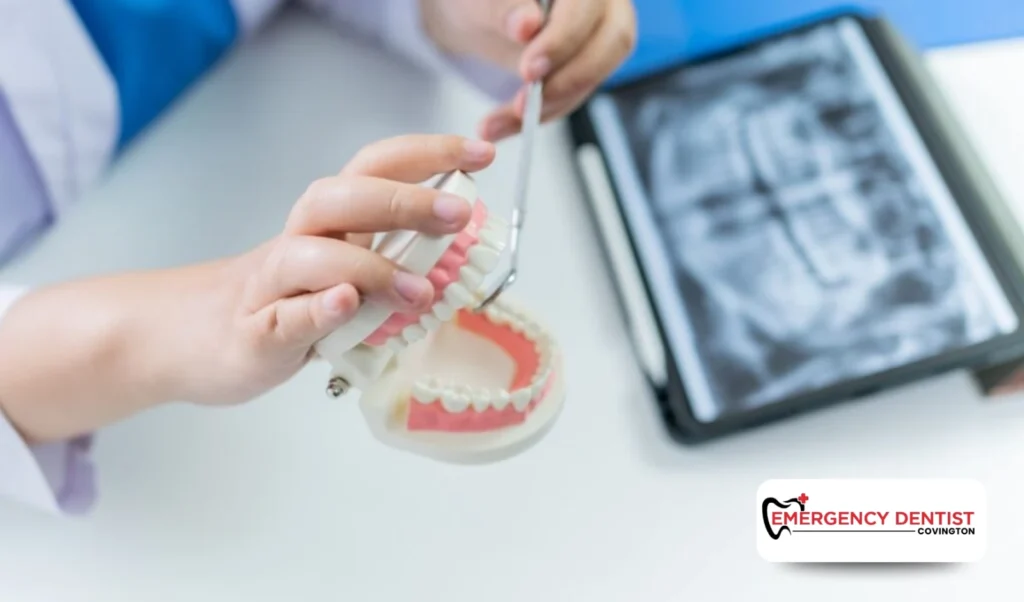
A dental evaluation helps determine whether your headache originates from the mouth. During your visit, your provider may:
- Examine teeth and gums for decay, infection, or fractures
- Take digital X-rays to evaluate roots and surrounding structures
- Assess bite alignment and signs of grinding
- Discuss your headache frequency and triggers
This approach ensures that both your oral health and headache symptoms are addressed effectively.
When Professional Care Becomes Urgent
Some symptoms require prompt attention from an Emergency Dentist in Covington:
- Facial swelling or fever
- Severe or worsening pain
- Difficulty chewing or opening the mouth
- Signs of infection such as bad taste or drainage
Dental infections left untreated can spread and lead to more serious health concerns, making early dental procedures important for relief and prevention.
Home Care Tips to Ease Discomfort
While waiting for professional treatment, certain home remedies may provide temporary comfort:
- Apply a cold compress to help reduce inflammation
- Use warm salt water to rinse your mouth and soothe irritated tissues
- Apply diluted clove oil for short-term numbing relief
- Take over-the-counter pain relievers as directed
- Avoid chewing on the affected side
These methods help manage symptoms but do not replace professional dental care.
Special Note: Tooth Pain While Pregnant
Hormonal shifts during pregnancy can increase gum sensitivity and the risk of inflammation. Tooth pain while pregnant may also worsen because morning sickness exposes enamel to acid, increasing the chance of decay and headaches.
Gentle brushing, regular dental visits, and safe preventive care support both maternal comfort and long-term dental health. Always discuss symptoms with your provider to ensure safe treatment choices.
Final Thoughts
If you’re experiencing recurring headache and tooth pain, the problem may not resolve on its own. Identifying the source early helps prevent worsening discomfort and protects your smile.
Stop Dental Pain Before It Spreads
Persistent headaches linked to dental discomfort deserve careful evaluation. The team at Emergency Dentist in Covington provides prompt assessments, personalized treatment plans, and supportive care focused on long-term comfort. Early evaluation can relieve discomfort quickly, protect surrounding teeth, and help prevent complications from progressing.
Frequently Asked Questions
Why does my toothache turn into a headache?
The nerves connecting your teeth and head allow pain signals to travel, meaning dental inflammation can easily trigger headaches.
Can grinding my teeth at night cause headaches?
Yes. Nighttime grinding strains jaw muscles and often leads to morning headaches and facial soreness.
Will home remedies fix my tooth pain and headache?
Home remedies may ease discomfort temporarily, but lasting relief requires identifying and treating the underlying dental problem.

ABOUT THE AUTHOR
Dr. Taylor Nielsen, DMD
Co-Founder of Emergency Dentist Atlanta, Covington, & More
Dr. Taylor Nielsen, DMD, earned his dental degree from Oregon Health & Science University after graduating with honors from Brigham Young University–Idaho. With over 1,000 hours of volunteer dental service, he is committed to providing high-quality, comfortable, and personalized care for every patient.