
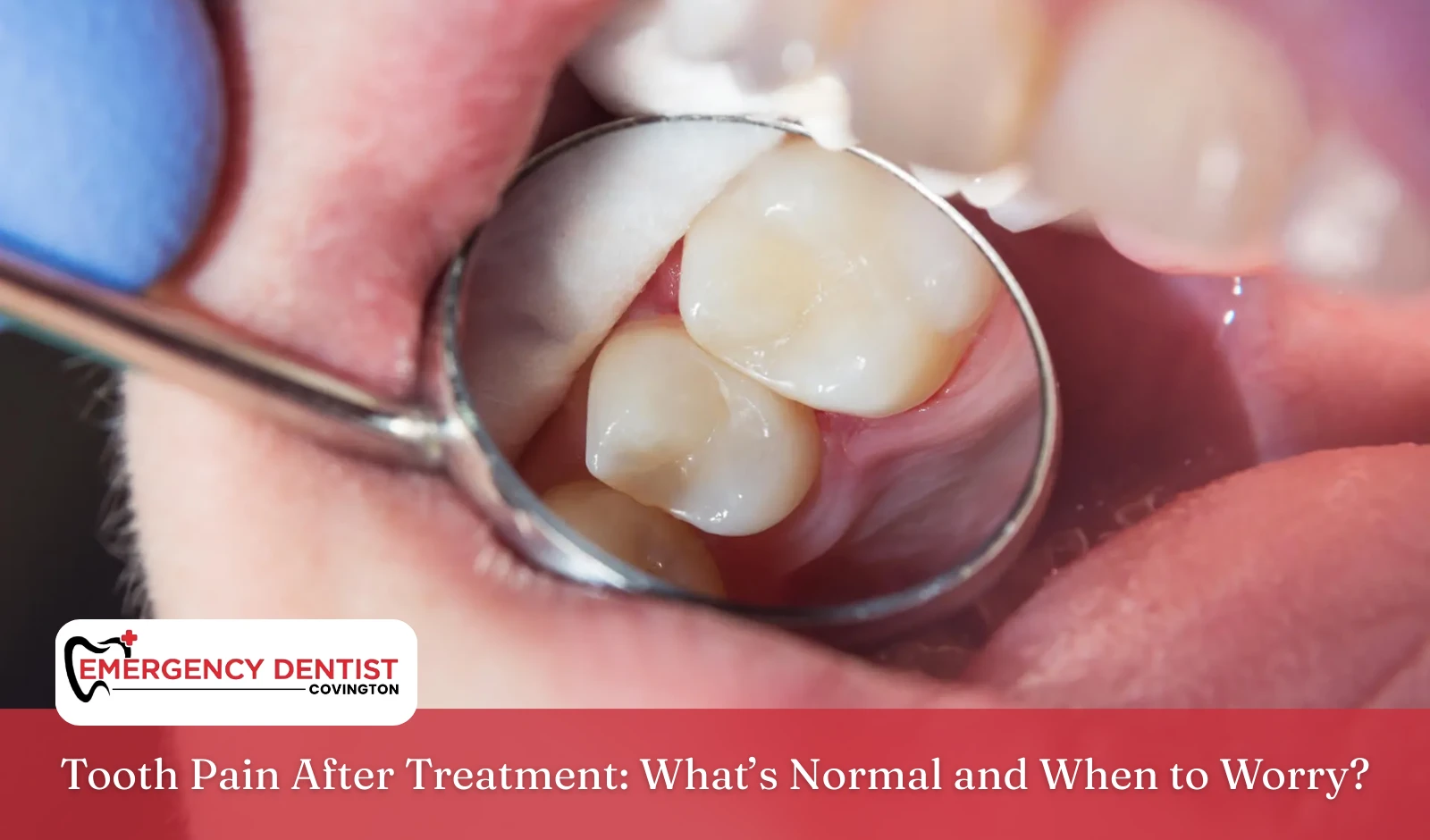
Tooth Pain After Treatment: What’s Normal and When to Worry?
Quick Answer
Is tooth pain after a dental procedure normal?
Yes, mild tooth pain or sensitivity is common after many procedures. However, if pain persists, worsens, or is paired with swelling or fever, you should contact your dentist for evaluation.
Key Takeaways
- Mild tooth pain after tooth pulled, filling, or crown placement can be part of healing.
- Sensitivity to cold foods is common after dental fillings.
- If pain persists beyond several days, consult your dentist.
- Ongoing discomfort may signal infection or deeper tooth decay.
Feeling tooth pain after a dental visit can be frustrating. Whether it’s tooth pain after tooth pulled, tooth pain after filling, or tooth pain after crown placement, it’s normal to question if something is wrong.
In many cases, mild discomfort is part of healing as the affected tooth adjusts. But if symptoms continue or worsen, it’s important to contact your dentist. If you’re in Covington and unsure about your pain, a professional evaluation can provide clarity and peace of mind.
Tooth Pain After Tooth Pulled: What to Expect
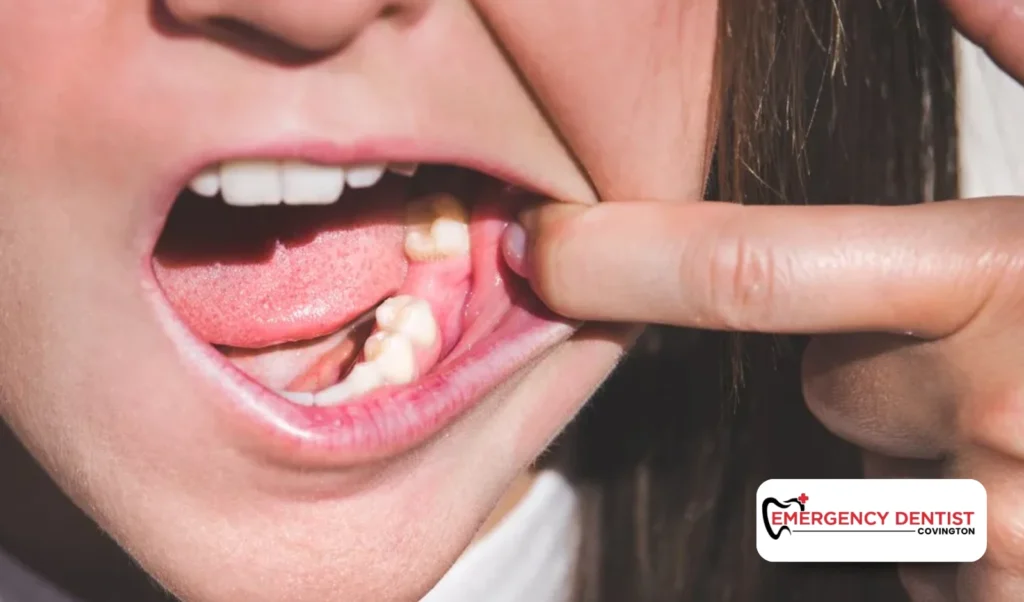
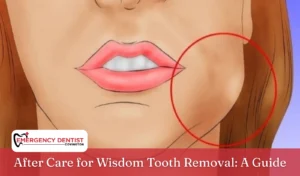
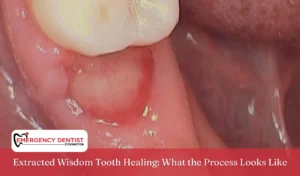
Feeling tooth pain after tooth extraction is normal, especially within the first 24 hours. A protective blood clot forms at the extraction site to cover the bone and nerves. Mild soreness, swelling, and tenderness are common during this time.
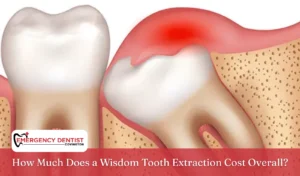
For the first 24 hours, avoid straws, smoking, or vigorous rinsing, as these can dislodge the clot and cause dry socket, a painful condition where the bone becomes exposed.
Warning signs include:
- Pain that worsens after two to three days
- A bad taste or odor
- Visible bone in the socket
To support healing, eat soft foods, avoid hot meals, and gently rinse with warm salt water after the first day. A cold compress on the cheek can reduce swelling. If pain persists or becomes severe, consult your dentist.
Tooth Pain After Filling: Temporary
or Serious?
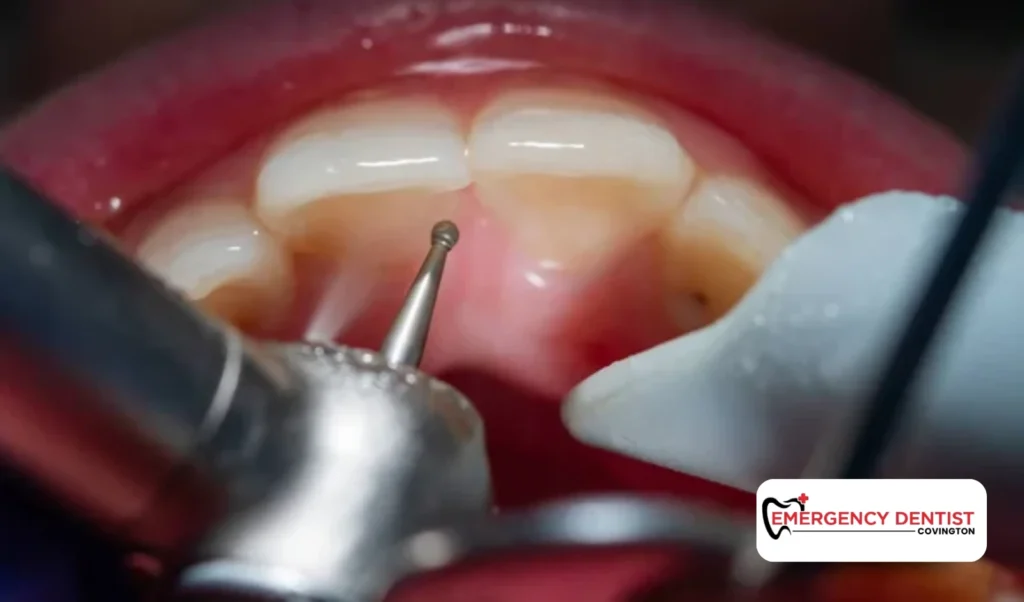
Tooth pain after filling is common. Dental fillings, often made of composite resin, repair areas damaged by tooth decay. After treatment, the tooth may feel sensitive to pressure, air, or cold foods.
This sensitivity usually improves within a few days. However, pain when biting may mean the filling needs adjustment. A slightly high filling can place extra pressure on the affected tooth.
If deep decay was close to the pulp, nerve irritation may cause lingering or throbbing discomfort. If filling tooth pain after several days does not improve, your dentist may need to evaluate the tooth further.
Counter pain relievers like ibuprofen or paracetamol can help temporarily, but they will not fix the underlying issue if symptoms continue.
Filling Tooth Pain After: Could It Be a Bite Issue?
If you notice filling tooth pain after the numbness fades, consider when it happens. Does it hurt only when chewing, or even at rest?
A misaligned bite is a common reason. Even a slight imbalance can strain the affected tooth. A quick adjustment often fixes the issue.
In some cases, bacteria may have entered under the filling, allowing decay to return. Good oral health habits, brushing, flossing, and avoiding hard foods, help lower this risk.
If discomfort lasts more than a few days, contact your dentist for a follow-up.
Tooth Pain After Crown Placement
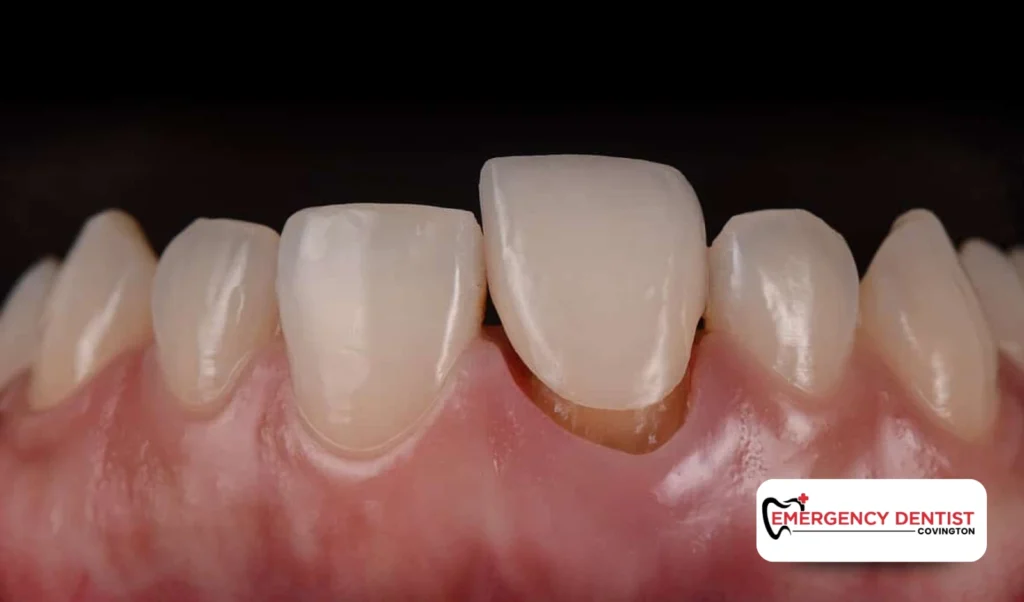
A dental crown is meant to protect and strengthen a weakened tooth. Still, some patients experience tooth pain after crown placement, especially when chewing or drinking cold beverages.
Mild sensitivity can occur because the tooth was reshaped during the procedure. The inner layers may stay sensitive for a short time.
Lingering discomfort may be caused by:
- A crown that sits too high
- Nerve irritation inside the tooth
- Infection beneath the crown
- Teeth grinding or clenching
If pain lasts more than a few days, consult your dentist. A simple adjustment may help, but persistent inflammation could require further treatment.
Managing Pain at Home
While waiting for your appointment in Covington, you can try simple home remedies to ease discomfort:
- Use counter pain relievers as directed
- Apply ice packs or a cold compress for 15–20 minutes
- Rinse gently with warm salt water
- Eat soft foods and avoid cold foods or very hot meals
- Stay hydrated but limit acidic drinks
These steps support pain relief but are not substitutes for professional care if symptoms worsen.
When to Contact an Emergency Dentist in Covington
Although mild pain or sensitivity is common, certain symptoms require attention:
- Pain lasts more than three to five days
- Swelling or fever develops
- You feel intense throbbing pain
- There is discharge or a bad taste
- You cannot comfortably chew or sleep
If any of these occur, contact an Emergency Dentist in Covington right away. Early care can prevent small issues from becoming larger problems.
Final Thoughts
Some tooth pain after a dental procedure is part of normal healing. However, discomfort that lingers, worsens, or interferes with daily life should never be ignored. Paying attention to your symptoms and seeking timely care helps protect your oral health and prevent complications.
If you are unsure whether your pain is normal, it is always safest to contact your dentist for guidance and reassurance.
Severe Tooth Pain? Get Immediate Help
Don’t ignore ongoing discomfort after a procedure. If you’re experiencing tooth pain after a filling, crown, or extraction, Emergency Dentist in Covington is ready to provide prompt, professional care.
Don’t wait for pain to worsen. Call an Emergency Dentist in Covington now for same-day evaluation and fast relief.
Frequently Asked Questions
I just had a filling and still feel pain. Is that normal?
Yes, mild pain or sensitivity can happen after dental fillings. But if pain persists beyond a few days, consult your dentist.
Why does my tooth hurt more two days after it was pulled?
Increasing pain after 24 hours may signal dry socket. You should contact your dentist for evaluation.
My crown hurts when I chew. Should I wait it out?
Some sensitivity is normal, but ongoing discomfort may mean the bite needs adjusting. It is best to have your dentist check it.

ABOUT THE AUTHOR
Dr. Taylor Nielsen, DMD
Co-Founder of Emergency Dentist Atlanta, Covington, & More
Dr. Taylor Nielsen, DMD, earned his dental degree from Oregon Health & Science University after graduating with honors from Brigham Young University–Idaho. With over 1,000 hours of volunteer dental service, he is committed to providing high-quality, comfortable, and personalized care for every patient.