Quick Answer
How to help with tooth pain?
You can manage dental pain by rinsing your mouth with warm water, using a cold compress, and taking a counter pain reliever. These methods may provide temporary relief, but treating the dental issue often requires professional dental care.
Key Takeaways
- Dental pain can come from issues like tooth decay or gum disease
- Home remedies may offer temporary relief but not a permanent solution
- Protecting the affected area helps reduce pain and inflammation
- Ongoing discomfort should be checked by a dental professional
- Early care supports better oral health long term
Toothache can begin as mild sensitivity or quickly become severe enough to disrupt your day. Some people feel a dull ache, while others experience sharp or throbbing discomfort that is difficult to ignore.
Most dental pain starts when the inner part of the tooth is affected. This area contains sensitive blood vessels and nerves that react to damage or infection. Common causes include tooth decay, gum disease, or small cracks that expose deeper layers.
If left untreated, even a small dental issue can worsen. What seems manageable at first may turn into a more serious problem that affects both comfort and oral health.
How to Help Extreme Tooth Pain at Home
If you are dealing with intense discomfort, learning how to help extreme tooth pain can make your day more manageable while waiting for treatment. The goal is to reduce pain and inflammation while protecting the affected area.
Start by rinsing your mouth gently with warm water mixed with a teaspoon of salt. This helps clean the area, reduce inflammation, and remove debris that may worsen toothache pain.
Applying a cold compress to the outside of your cheek can also help with pain relief. Use it for about 20 minutes at a time to reduce swelling and slightly numb the area.
Avoid chewing on the side where the pain is located. Limiting pressure helps protect the affected area and prevents further irritation.
Throughout the day, choose soft foods that are easy to chew. Avoid anything hard, sticky, or very hot or cold, as these can increase dental pain.
It also helps to limit habits like clenching your teeth or excessive talking. Keeping your head slightly elevated while resting may reduce pressure and improve comfort.
Maintaining a gentle oral hygiene routine is important. Brush carefully and keep the area clean without applying too much pressure, especially if you notice bleeding gums or sensitivity.
If needed, taking a counter pain reliever may help reduce pain and inflammation. Always follow instructions and avoid placing medication directly on your gums.
These home remedies can provide temporary relief, but they do not treat the underlying cause of the dental issue. Persistent dental pain often requires professional dental care.
When Tooth Pain May Be a Serious Problem
Not all tooth pain goes away on its own. Pain that lasts more than a day or continues to worsen may signal a deeper dental issue.
Symptoms such as swelling, a bad taste in your mouth, or difficulty chewing may indicate infection or advanced tooth decay. You may also notice bleeding gums or increased sensitivity.
When bacteria reach deeper layers of the tooth, they can affect surrounding tissue and lead to more serious complications.
Seeking care early can prevent the condition from worsening and reduce the need for more complex procedures, including tooth extractions.
Treatment Options for Lasting Relief
While home care can help manage discomfort, long-term relief usually comes from proper treatment options. A dental professional can examine your condition and recommend the best solution.
Depending on the problem, treatment may include dental fillings, deep cleanings, or other procedures that restore the tooth and protect your oral health.
Addressing the issue early helps stop the pain and prevents further damage. It also supports better oral health over time.
Your dentist may also guide you on how to care for your teeth after treatment to avoid future dental issues.
How to Prevent Tooth Pain in the Future
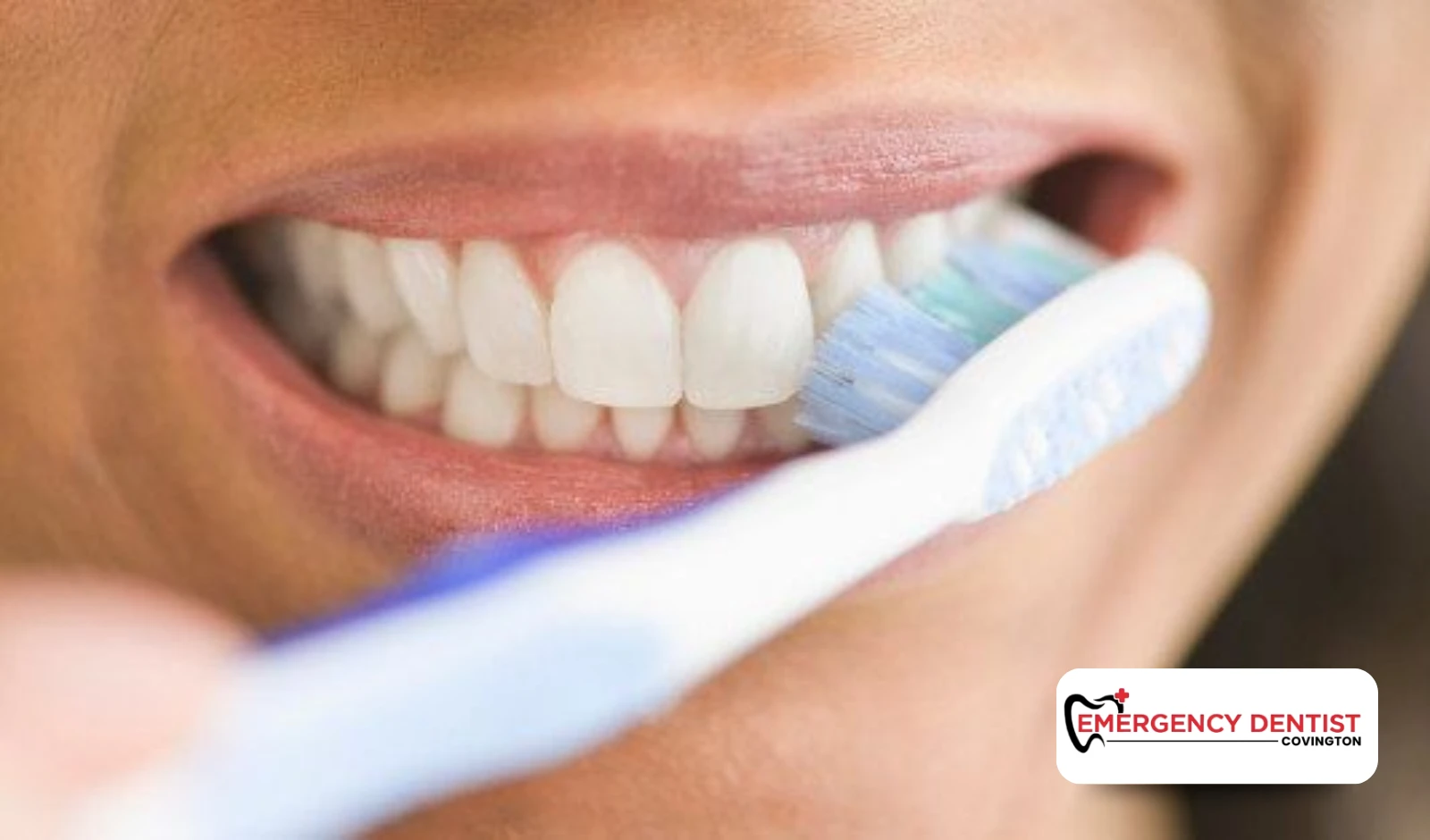
Preventing dental pain starts with consistent daily habits. Simple care routines can reduce your risk of tooth decay and gum disease.
Brush your teeth twice a day and floss daily to remove food particles. This helps prevent buildup that can lead to infection and irritation.
Limiting sugary foods and drinks can also protect your teeth from damage.
Regular dental visits are important for maintaining oral health. Early detection helps treat problems before they become more serious.
When to Seek Emergency Dental Care
Some symptoms require urgent attention. If your pain becomes severe, does not improve, or begins to affect your daily routine, it is important to act quickly.
Swelling, fever, or pain that spreads to the jaw or ear may be signs of infection. These symptoms should not be ignored.
If you are experiencing these signs, it may be time to seek emergency dental care.
If you are in Covington, visiting a trusted Emergency Dentist in Covington can help you get fast relief, identify the cause of your dental pain, and prevent complications.
Final Thoughts
Tooth pain can be uncomfortable and disruptive, but it is also a warning that something needs attention. While home remedies may provide temporary relief, they are not a long-term solution.
Understanding what helps with tooth pain and how to help with tooth pain early can guide you toward the right steps. Protecting the affected area and seeking care when needed can improve comfort and support better oral health.
Don’t Wait, Relieve Tooth Pain Before It Gets Worse
Dental pain can affect your focus, sleep, and daily comfort. Acting early can help prevent more serious dental issues and make treatment easier.
Our team is here to help you understand your symptoms and guide you toward the right treatment options. Whether your discomfort is mild or severe, getting care now can make a lasting difference.
If your tooth pain continues or worsens, visiting a trusted Emergency Dentist in Covington can help relieve discomfort and treat the problem before it becomes more serious.
Frequently Asked Questions
What helps with tooth pain quickly at home?
Using a cold compress and rinsing your mouth with warm water can help reduce pain and inflammation. These simple steps may provide temporary relief while keeping the affected area clean.
Can tooth pain go away without treatment?
Mild discomfort may improve on its own, especially if caused by temporary irritation. However, ongoing dental pain usually requires professional dental care to treat the underlying issue.
Why does tooth pain feel worse at night?
Tooth pain may feel stronger at night due to increased blood flow and pressure when lying down. This can make the affected area more sensitive.
What foods should I avoid with tooth pain?
Avoid hard, sticky, or very hot and cold foods, as they can irritate the affected area and increase toothache pain. Soft foods are easier to manage.
Can gum disease cause tooth pain?
Yes, gum disease can lead to dental pain, bleeding gums, and inflammation. If untreated, it may also affect the stability of your teeth.
When should I seek emergency dental care for tooth pain?
You should seek emergency dental care if your pain becomes severe, lasts more than a day, or is accompanied by swelling, fever, or a bad taste in your mouth. Early care can prevent more serious complications.