
Quick Answer
How long can wisdom tooth removal pain last?
Most patients notice the strongest discomfort within the first 24 hours after surgery. Swelling and soreness usually begin improving after several days, although mild pain after wisdom teeth removal may continue for one to two weeks while the extraction site heals.
Key Takeaways
- Wisdom tooth pain is often most noticeable during the first few days after surgery
- Blood clots help protect the extraction site during recovery
- An ice pack or cold compress may help provide temporary pain relief
- Soft foods may help reduce irritation while healing
- Patients should gently rinse instead of swishing forcefully
- Dry socket or worsening symptoms may require professional care
Wisdom teeth often begin developing during the late teen years or early adulthood, commonly around the ages of 17 to 25. Some wisdom teeth grow normally, while others remain trapped beneath the gums or push against nearby teeth. This pressure may lead to swelling, jaw stiffness, soreness, and ongoing wisdom tooth pain.
Many people search for “how long can wisdom tooth pain last” because the discomfort may interfere with sleep, eating, speaking, and daily activities. In some situations, wisdom teeth extractions may help prevent future dental complications and support long-term oral health.
Why Wisdom Teeth Can Become Painful
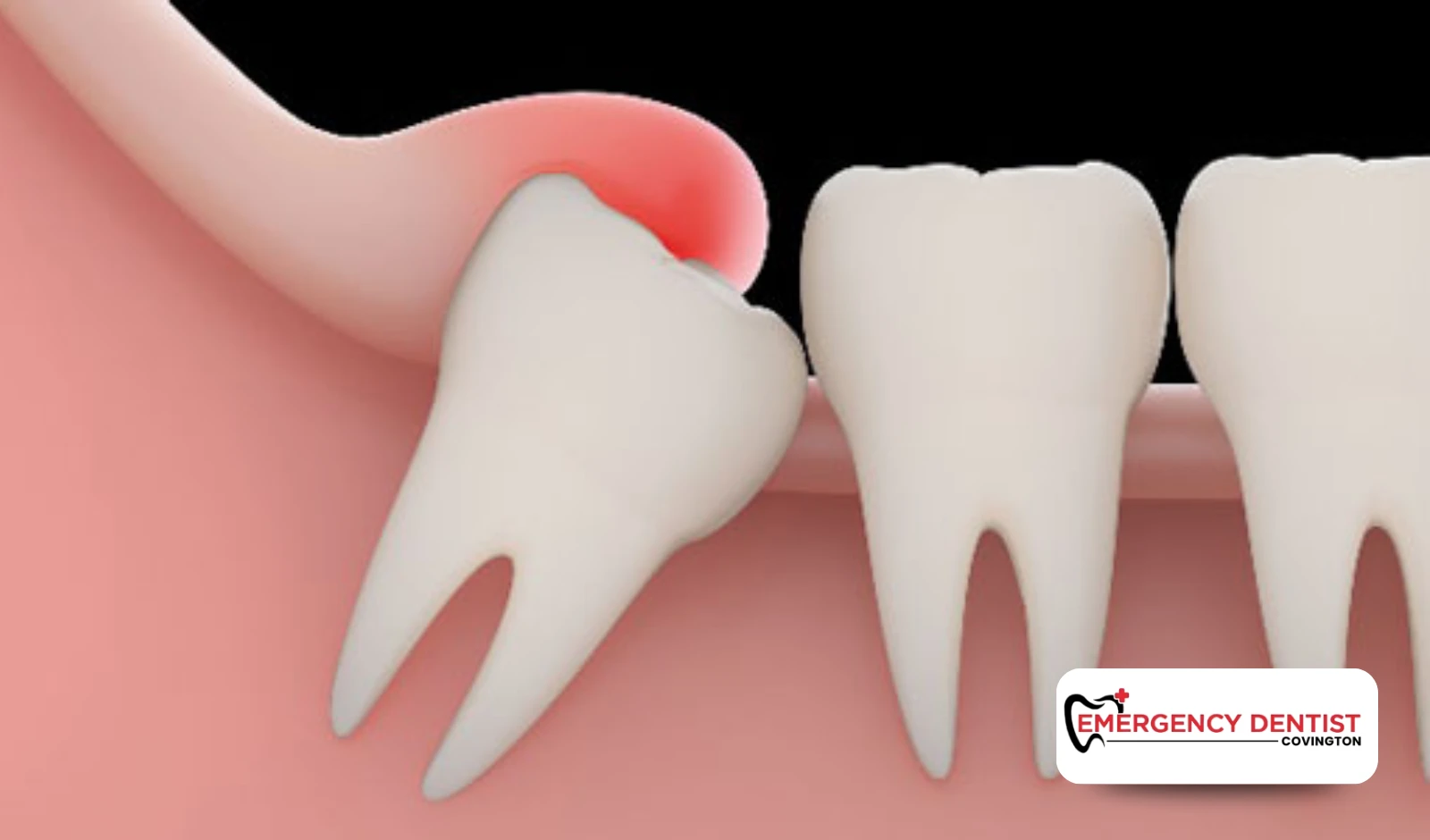
Wisdom teeth are the final adult teeth to erupt. Since there is often limited space in the mouth, these teeth may grow sideways, stay partially trapped beneath the gums, or place pressure on surrounding teeth.
When this happens, the nearby gum tissue may become swollen or irritated. Food particles and bacteria may also collect around partially erupted wisdom teeth, increasing the risk of infection and inflammation. Some patients experience tenderness near the jaw, discomfort while chewing, or a bad taste in the mouth.
If symptoms continue getting worse, a dentist or oral surgeon may recommend wisdom tooth removal to reduce discomfort and help prevent additional dental concerns.
What Happens After Wisdom Tooth Removal
Healing begins immediately after wisdom tooth removal. Once the tooth is removed, the body forms blood clots over the extraction site to protect the area while the tissue heals underneath.
These blood clots are important because they help cover sensitive tissue and support healing during recovery. During the first 24 hours, mild bleeding, swelling, and soreness are common. Most patients are encouraged to rest, avoid strenuous activity, and carefully follow aftercare instructions.
Swelling often becomes more noticeable during the second or third day before gradually improving. Many patients begin feeling better within the first week, although complete healing may take longer depending on the complexity of the procedure.
Recovery Tips After Wisdom Teeth Extractions
Proper aftercare may help support healing and lower irritation after surgery.
Use Cold Therapy During Recovery
Applying an ice pack or cold compress to the outside of the face may help reduce swelling and provide temporary pain relief during the first several days after surgery.
Follow Pain Management Instructions
Many patients use OTC pain relievers as part of their pain management routine after surgery. Always follow your provider’s instructions carefully and avoid taking more medication than recommended.
Eat Soft Foods
Soft foods are often easier to tolerate during recovery because they place less pressure on the healing area. Yogurt, applesauce, soup, mashed potatoes, and scrambled eggs are commonly recommended after wisdom tooth removal.
Keep the Surgical Area Clean
After the first day, many dental providers recommend using warm salt water to rinse your mouth gently. Patients should gently rinse instead of rinsing aggressively because forceful rinsing may disturb the healing blood clots around the extraction site.
Keeping the area clean may help reduce irritation and support recovery.
Understanding Dry Socket
Dry socket is one of the more painful complications associated with wisdom tooth removal. This condition develops when blood clots become dislodged too early, exposing the sensitive tissue underneath.
Patients with dry socket often notice worsening wisdom tooth pain several days after surgery instead of gradual improvement. Common symptoms may include:
- Sharp throbbing pain
- Pain spreading toward the jaw or ear
- A continued bad taste in the mouth
- An unpleasant smell near the extraction site
Avoiding smoking, straws, and aggressive rinsing may help lower the risk of dry socket during healing.
When to Contact a Dental Professional
Some soreness is expected after surgery, but certain symptoms may require professional care.
Contact a dentist or oral surgeon if you notice:
- Severe swelling that continues worsening
- Fever or chills
- Difficulty breathing or swallowing
- Heavy bleeding that does not improve
- Persistent sharp pain several days later
- A foul smell or bad taste that continues
Early treatment may help reduce the risk of complications and improve healing.
Final Thoughts
Healing after wisdom tooth removal varies from patient to patient. Most soreness improves within the first week, although mild pain after wisdom teeth removal may continue while the gums recover.
Protecting the extraction site, eating soft foods, and following aftercare instructions may help support healing. If symptoms worsen or do not improve, professional dental care may be needed.
Struggling With Wisdom Tooth Recovery?
Persistent swelling, worsening discomfort, or signs of dry socket after surgery should not be ignored. Emergency Dentist in Covington provides same-day emergency dental care for patients experiencing pain after wisdom teeth removal or recovery concerns after extractions.
Our team can examine the extraction site, explain possible causes of discomfort, and recommend treatment options focused on improving comfort and recovery.
Frequently Asked Questions
Why are blood clots important after wisdom tooth removal?
Blood clots help protect the extraction site and support healing underneath the gums.
When should I rinse my mouth after surgery?
Most patients are advised to rinse their mouth gently with warm salt water after the first 24 hours.
What are common signs of dry socket?
Dry socket may cause severe throbbing pain, jaw discomfort, a bad taste, or an unpleasant smell several days after surgery.