

How Long to Recover from Wisdom Tooth Removal?
Quick Answer
How long is the recovery from wisdom tooth removal?
For most patients, early improvement begins within a few days. However, full recovery time after wisdom tooth extraction typically ranges from one to two weeks, depending on the complexity of the oral surgery and how carefully aftercare instructions are followed.
Key Takeaways
- Wisdom teeth removal recovery happens in gradual stages
- The first 24 hours are critical for protecting blood clots
- Most pain and swelling improve within 48 hours
- Soft foods make it easier to eat and drink comfortably
- Proper oral hygiene lowers the risk of dry socket
If you are planning for wisdom tooth removal, it’s natural to ask how long to recover from wisdom tooth removal, and what you should expect during healing. Questions about pain and swelling, eating normally, and returning to daily routines are very common.
Wisdom teeth extraction is one of the most frequently performed oral surgery procedures. Dentists and oral surgeons often recommend removing these back molars if they cause crowding, repeated discomfort, or increase the risk of infection. Understanding how healing works can make the process feel much less stressful.
What Happens Immediately After Wisdom Tooth Extraction?
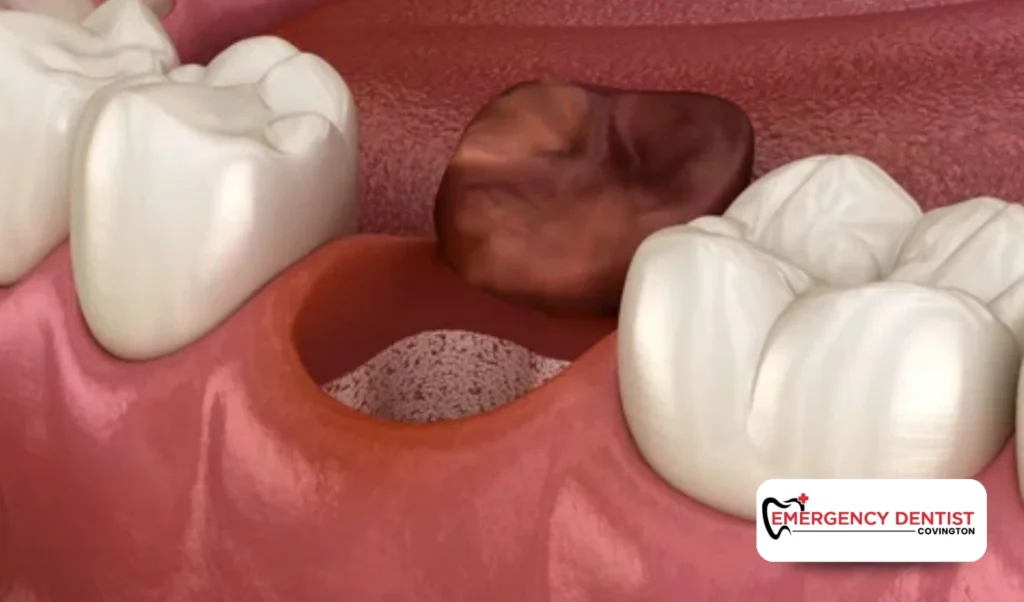
Once a wisdom tooth extraction is completed, your body starts repairing the area right away. A protective layer of blood clots forms over the extraction site. These clots are extremely important because they shield the underlying bone and nerves while new tissue develops.
During the first several hours, mild bleeding, pain and swelling, and jaw stiffness are expected. Your oral surgeon may suggest medication to manage discomfort and help you rest more comfortably.
Protecting the blood clot during this stage is one of the most important parts of wisdom teeth removal recovery.
How Long Is Wisdom Tooth Removal Recovery? A Step-By-Step Look
Healing does not happen all at once. Instead, recovery time progresses in phases.
The First 24 Hours
The first 24 hours after oral surgery are the most delicate. Swelling usually begins during this period. Applying an ice pack to the outside of your cheek can help reduce swelling and improve comfort.
It is important to:
- Avoid straws
- Avoid smoking
- Avoid forceful spitting
- Rest as much as possible
Disturbing the blood clot too early can delay healing.
The Day After Surgery
By the day after surgery, swelling may still be present, but it often stabilizes. Soreness continues, though it is usually manageable with medication and rest.
At this point, patients can begin gently rinsing with warm salt water. This helps keep the mouth clean without irritating healing tissue.
Soft foods such as yogurt, scrambled eggs, mashed potatoes, or smoothies make it easier to eat and drink without putting pressure on the extraction site.
After 48 Hours
Around 48 hours, many people notice gradual improvement. Swelling typically begins to decrease, and jaw movement becomes more comfortable.
Continue:
- Gently rinsing with salt water
- Maintaining careful oral hygiene
- Avoiding chewing directly on the treated area
Although you may feel better, healing is still underway beneath the surface.
One Week and Beyond
Most patients feel significantly better within seven to ten days. For simple wisdom tooth removal, recovery time may be closer to one week. More complex wisdom teeth extraction cases, such as impacted teeth, can take slightly longer.
Even when discomfort fades, the deeper tissues continue healing for several weeks. Your oral surgeon can confirm when the area has fully recovered.
Common Symptoms During Healing

It is normal to experience:
- Mild to moderate pain and swelling
- Jaw tightness
- Tenderness near the extraction site
- Sensitivity when eating
These symptoms should gradually improve. If pain suddenly worsens after a few days, professional evaluation may be needed.
Understanding Dry Socket
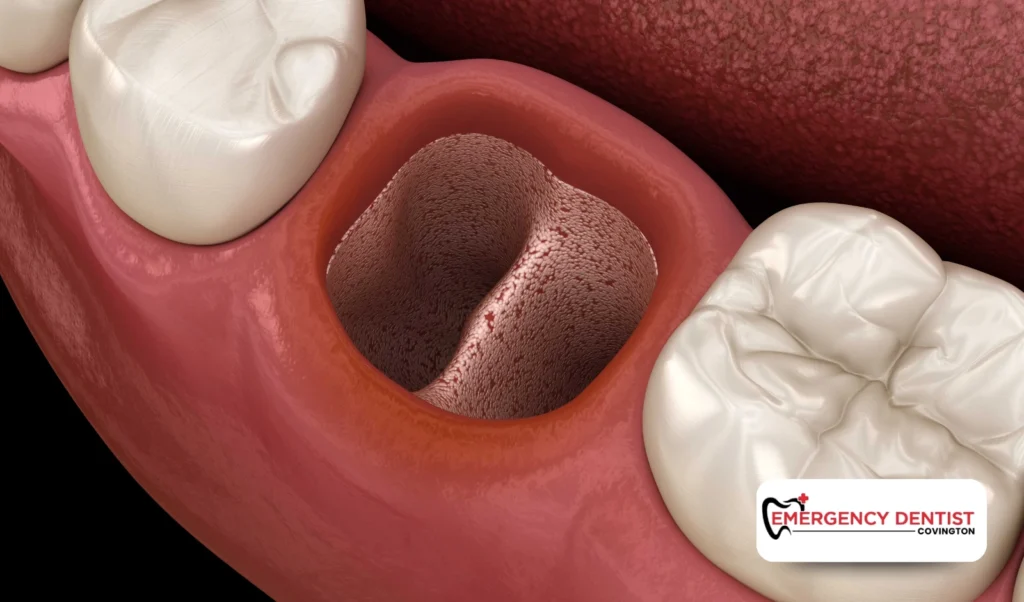
One possible complication after wisdom teeth removal is dry socket. This condition develops when the protective blood clot becomes dislodged or dissolves too soon.
Without that clot, the underlying bone and nerves are exposed, which can cause sharp pain several days after surgery.
You can reduce your risk by:
- Avoiding straws
- Not smoking
- Following instructions for gently rinsing
- Keeping up with careful oral hygiene
Dry socket is treatable, but early attention helps prevent unnecessary discomfort.
How to Support a Smoother Recovery
Simple steps can make a big difference during wisdom tooth removal recovery:
- Use an ice pack during the first day to reduce swelling
- Take pain medications only as directed
- Eat soft foods for several days
- Stay hydrated and continue to eat and drink regularly
- Brush carefully while avoiding direct contact with the extraction site
These habits protect healing tissues and lower the chance of complications.
When Should You Seek Immediate Care?
Although most healing progresses smoothly, contact an Emergency Dentist in Covington if you notice:
- Severe pain that increases instead of improving
- Swelling that worsens after several days
- Persistent bad taste or odor
- Fever
- Difficulty opening your mouth
Prompt evaluation helps protect your long-term oral health and prevents small problems from becoming larger concerns.
Final Thoughts
So, how long is wisdom tooth removal recovery? For most people, noticeable relief begins within a few days, and full recovery time falls between one and two weeks. Healing happens gradually, and protecting the blood clots during the early stages is essential.
Following aftercare instructions, maintaining gentle oral hygiene, and giving your body time to heal will make the experience much smoother. Wisdom tooth extraction recovery may require patience, but steady improvement is the norm.
Experiencing Concerns After Oral Surgery?
If your healing feels unusual or uncomfortable, professional care is available. A trusted Emergency Dentist in Covington can evaluate your symptoms, provide guidance, and help ensure your recovery stays on track.
Don’t wait and wonder if something feels wrong. Early care can prevent complications and ease discomfort quickly.
Frequently Asked Questions
Why am I still sore after three days?
Mild soreness can last three to five days and sometimes up to two weeks. If the pain is worsening instead of improving, contact your dentist to rule out complications.
When can I start gently rinsing my mouth?
You can begin gently rinsing with warm salt water after the first 24 hours.
Is swelling normal after wisdom tooth extraction?
Yes. Swelling is common and usually peaks within 48 hours before gradually improving.

ABOUT THE AUTHOR
Dr. Taylor Nielsen, DMD
Co-Founder of Emergency Dentist Huntington Beach, Covington, & More
Dr. Taylor Nielsen, DMD, earned his dental degree from Oregon Health & Science University after graduating with honors from Brigham Young University–Idaho. With over 1,000 hours of volunteer dental service, he is committed to providing high-quality, comfortable, and personalized care for every patient.