
ER, Urgent Care, or Emergency Dentist for Toothache?
Quick Answer
Can you go to the ER for tooth pain, or should you see a dentist?
Yes, you can go to the nearest emergency room or an urgent care center for serious symptoms like swelling, fever, or injury. However, an emergency dentist is often the better choice because they can find the dental problem and treat it at the source.
Key Takeaways
- Visit the nearest emergency room for life-threatening symptoms like severe swelling or breathing difficulty.
- An urgent care center can ease symptoms but cannot perform dental procedures.
- An emergency dentist treats the cause of dental pain, including infections and broken teeth.
- A knocked out tooth or dental abscess requires immediate dental care.
- Counter pain relievers provide temporary relief but don’t fix the underlying problem.
Tooth discomfort can appear suddenly and disrupt daily life. Whether you’re dealing with throbbing dental pain, swelling, or sensitivity, knowing where to seek emergency dental care can be confusing, especially outside normal dental office hours.
Many patients ask: can you go to the ER for tooth pain, can I go to urgent care for tooth pain, or is an emergency dentist the better choice? The answer depends on your symptoms and the severity of the dental issue.
Understanding your options helps you get the right care quickly and avoid unnecessary delays.
When the ER Is the Right Choice
Visiting the nearest emergency room for dental pain is appropriate when symptoms suggest a serious medical concern rather than a routine dental problem. Emergency rooms are designed to stabilize urgent conditions and prevent complications.
You should consider the ER for tooth pain if you experience:
- Facial swelling that spreads toward the eye or neck
- Difficulty breathing or swallowing
- Severe trauma to the jaw or mouth
- A high fever along with tooth infections
- Signs of a spreading dental abscess
In these situations, the problem may be life threatening, and ER doctors can give pain medicine, antibiotics, and supportive care.
However, emergency rooms usually cannot perform dental treatments like tooth extraction, fixing a chipped tooth, or repairing a broken tooth. Most patients receive temporary relief and are then referred to a dental office for proper treatment.
Can Urgent Care Help With Dental Pain?
If your symptoms are uncomfortable but not severe, an urgent care center may be a convenient option. Patients often ask, can I go to urgent care for tooth pain, and the answer is yes for temporary support.
Urgent care providers may:
- Prescribe antibiotics for suspected infections
- Recommend counter pain relievers
- Provide guidance until you see a dentist
- Offer short-term pain relief
While urgent care clinics can help manage symptoms, they generally do not have dental equipment or specialists available. That means they cannot treat the underlying cause of most dental problems, including a knocked out tooth or infected tooth pulp.
You will still need follow-up care from a dentist to fully resolve the problem.
Why Emergency Dentists Provide the Most Complete Care
An emergency dentist is usually the most effective solution for urgent dental concerns because they can diagnose and treat the condition immediately.
Emergency dental providers can manage:
- A broken tooth or chipped tooth
- Severe tooth infections and dental abscess treatment
- Emergency root canal therapy
- Repair of crowns or fillings
- Tooth extraction when necessary
- Stabilizing a knocked out tooth
Unlike medical facilities, an emergency dental office is equipped to address both symptoms and causes. This reduces repeat visits, improves recovery time, and protects long-term oral health.
Signs You Need Emergency Dental Care Right Away
Some symptoms should never be ignored. Seek emergency dental care if you notice:
- Persistent dental pain or pain that doesn’t improve
- Gum swelling, pus, or unusual taste in the mouth
- A visibly cracked or fractured tooth
- Continuous bleeding
- Dental trauma resulting in a knocked out tooth
Prompt treatment can prevent complications, limit infection spread, and improve the chances of saving your natural tooth.
Managing Pain Before Your Appointment
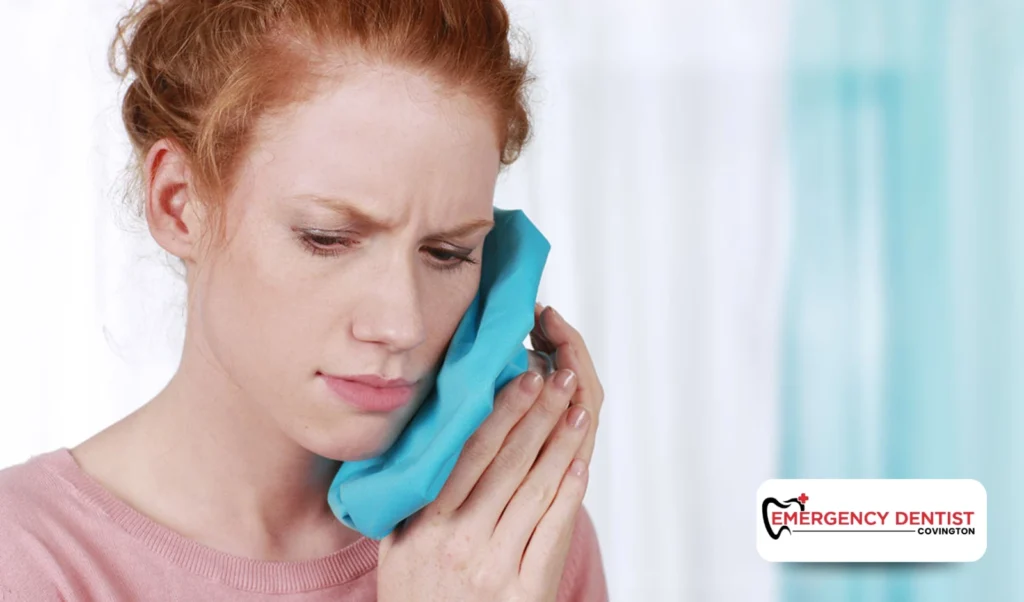
While waiting for professional care, there are safe ways to stay comfortable.
You can:
- Use counter pain medication such as ibuprofen or acetaminophen
- Gently rinse with warm salt water
- Apply a cold compress to the cheek to reduce swelling
- Avoid chewing on the affected side
Do not place aspirin directly on the gums, as this may irritate tissue rather than provide relief. These measures are temporary and should not delay professional treatment.
Final Thoughts
Choosing between the ER, urgent care, or an emergency dentist depends on your symptoms. Medical facilities are important for severe or life threatening conditions, but they rarely resolve dental problems completely. When possible, visiting an emergency dentist ensures faster diagnosis, effective treatment, and better protection of your oral health.
If dental pain appears suddenly or worsens, seeking professional care quickly is the safest path to lasting relief.
Don’t Let Dental Pain Control Your Day
Dental emergencies can be stressful, but help is available. If you have a broken tooth, swelling, or ongoing pain, an Emergency Dentist in Covington can check your problem and provide fast treatment. Getting care early can prevent complications and help you feel better sooner.
Frequently Asked Questions
I’m in serious pain, should I go to the ER or a dentist first?
If you have swelling affecting breathing, fever, or severe trauma, go to the ER. Otherwise, an emergency dentist can usually treat the problem faster.
My tooth hurts but isn’t swollen, can urgent care help me?
Urgent care can give antibiotics or pain medicine, but you will still need a dentist to treat the real dental problem.
What should I do if I knock out a tooth at home?
Hold the tooth by the top part (the crown), gently rinse it, and see an emergency dentist right away to help save the tooth.

ABOUT THE AUTHOR
Dr. Taylor Nielsen, DMD
Co-Founder of Emergency Dentist Atlanta, Covington, & More
Dr. Taylor Nielsen, DMD, earned his dental degree from Oregon Health & Science University after graduating with honors from Brigham Young University–Idaho. With over 1,000 hours of volunteer dental service, he is committed to providing high-quality, comfortable, and personalized care for every patient.