

Quick Answer
What causes tooth pain?
Tooth pain causes include cavities, infection, gum disease, cracked teeth, and sensitivity. The right medication can provide temporary pain relief, but lasting comfort requires treating the underlying problem.
Key Takeaways
- The most common causes of tooth pain include decay, infection, and gum recession.
- Ibuprofen and acetaminophen are often effective for short-term dental pain.
- Swelling, fever, or bleeding gums may signal a tooth abscess or dental abscess.
- Home remedies can reduce discomfort but do not cure infection.
- Early stage treatment helps prevent bone loss and serious complications.
Tooth pain can feel sharp, throbbing, or dull and constant. It may begin suddenly while eating or slowly worsen over several days. Whether discomfort is mild or severe, dental pain can interrupt daily life and make it hard to focus.
Understanding tooth pain causes can help you choose the right pain relief and know when to seek professional care in Covington.
Common Causes of Tooth Pain
Many patients wonder what causes tooth pain when symptoms appear unexpectedly. Below are some of the most frequent reasons.
Tooth Decay and Cavities
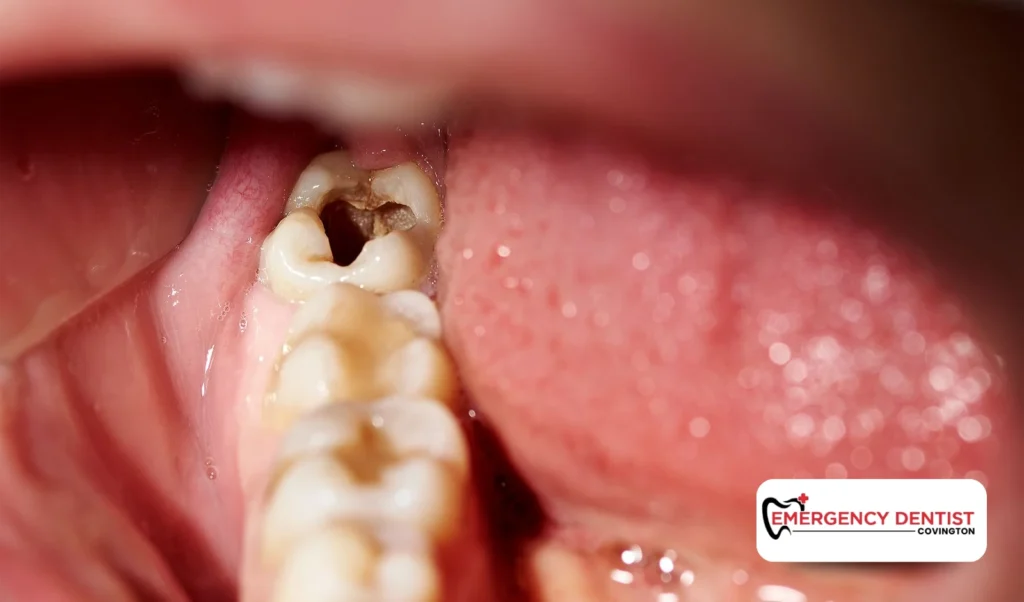
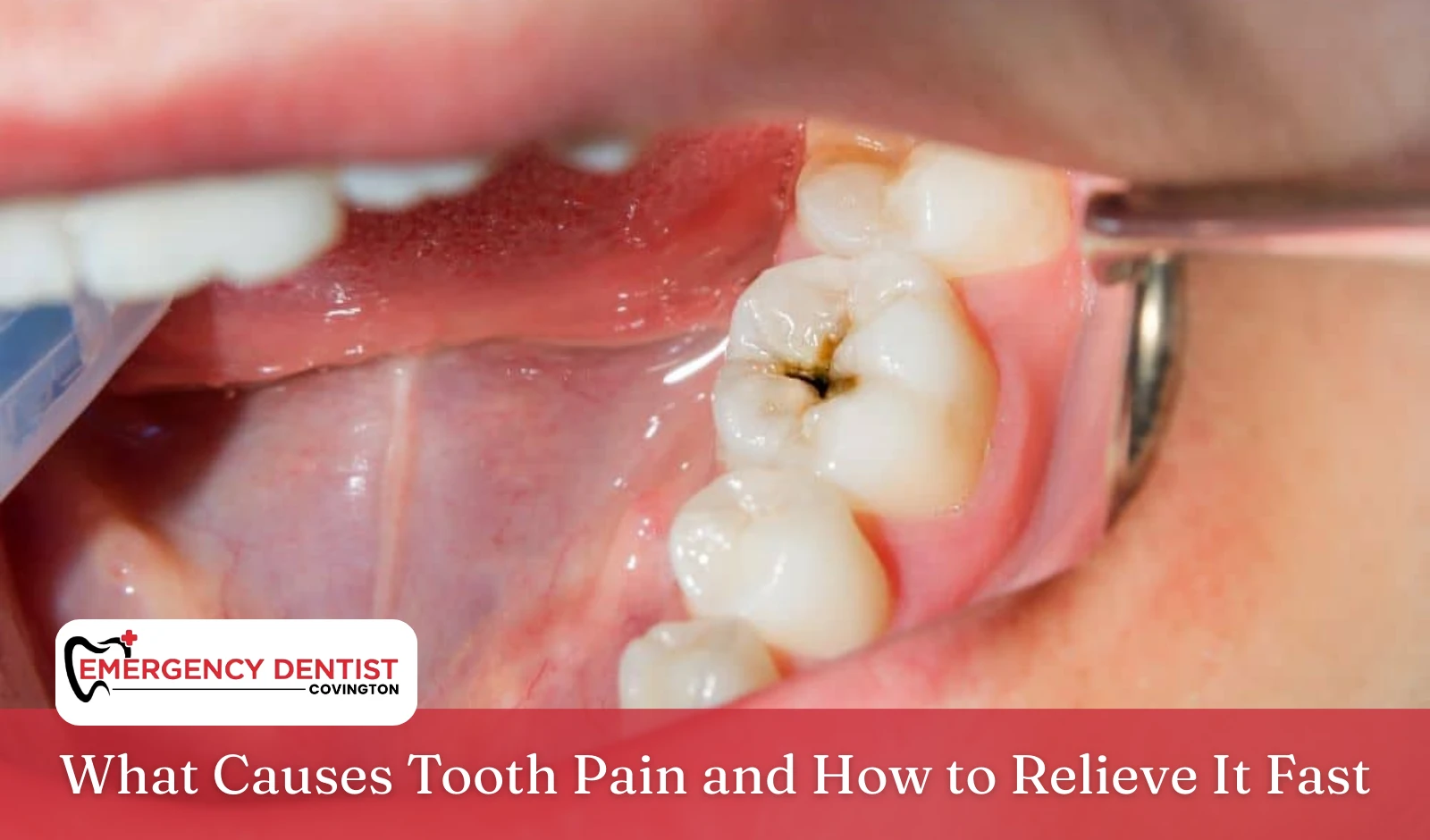
Tooth decay pain is one of the leading causes of tooth pain. When bacteria weaken tooth enamel, they create cavities that may lead to tooth cavity pain. A small hole in tooth pain can feel sensitive at first, especially when eating sweets or drinking cold beverages.
If left untreated, decay can reach deeper layers and cause more intense tooth infection pain. Poor oral hygiene, frequent snacking, and dry mouth increase the risk. Make sure to brush your teeth at least two times a day to protect your teeth and gums.
Gum Disease and Gum Problems
Gum pain by tooth may signal gum disease and tooth pain occurring together. In the early stage, you might notice bleeding gums when brushing. As the condition progresses, gum recession or receding gums can expose sensitive roots.
This exposure often leads to tooth sensitivity and cold and tooth pain. Advanced gum problems may even result in bone loss, causing loose tooth pain and instability.
Tooth Infection or Abscess
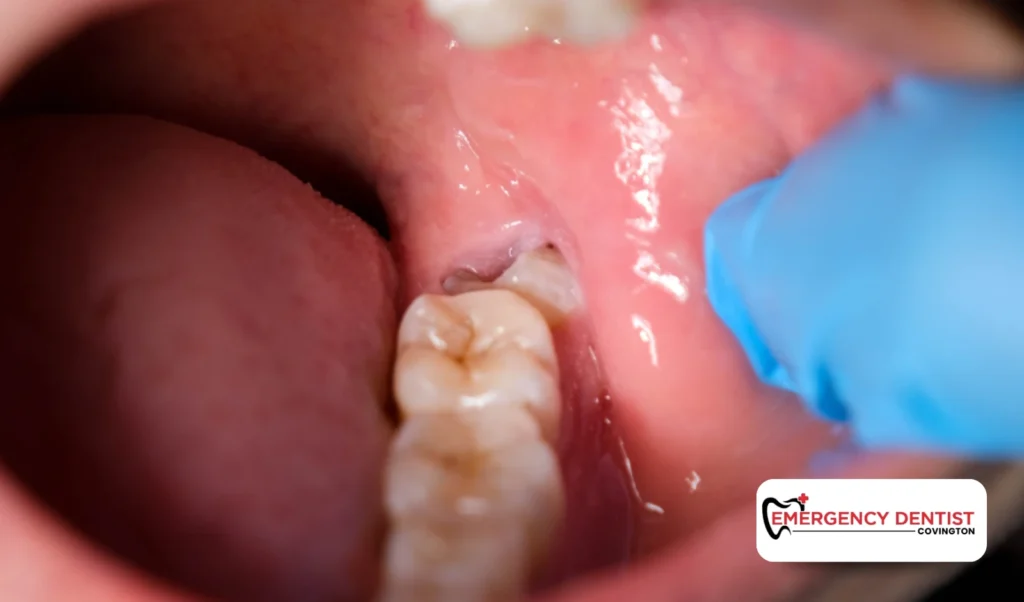
Tooth infection pain tends to be severe and persistent. An untreated infection can develop into a tooth abscess or dental abscess. Abscess tooth pain may feel like intense throbbing and can spread to the jaw or ear.
Other tooth pain symptoms may include:
- Swelling in the gums or face
- Fever
- A bad taste in the mouth
- Difficulty chewing
A tooth abscess requires immediate attention. Delaying treatment can worsen infection and lead to serious health concerns.
Cracked or Damaged Teeth
A crack or break in the tooth may cause sharp pain while chewing. Cold and tooth pain are also common signs. Even small fractures can allow bacteria to enter and create infection.
Best Over-the-Counter Options for Pain Relief
When discomfort strikes, certain medications may help reduce dental pain until you visit your dentist.
Ibuprofen: Ibuprofen is a nonsteroidal anti-inflammatory drug (NSAID). It reduces swelling and provides strong pain relief, especially when inflammation is present. It is often helpful for gum disease and tooth pain or injury-related discomfort.
Acetaminophen: Acetaminophen works by blocking pain signals in the brain. While it does not reduce swelling, it can help manage mild to moderate tooth decay pain.
Some providers suggest alternating both medications for better results, but always follow dosing instructions and consult a healthcare professional if needed.
Prescription Treatment Options
When over-the-counter medicine is not enough, stronger medication may be prescribed. In cases of infection, antibiotics are often necessary to treat a dental abscess. For severe discomfort after a procedure, short-term prescription pain medication may be considered.
However, medication alone does not fix the root problem. Proper treatment options must address the cause.
Helpful Home Remedies
If you cannot immediately schedule an appointment, several home remedies may offer temporary comfort:
- Warm saltwater rinse to reduce irritation
- Cold compress applied to the cheek
- Clove oil carefully placed on the sore area
- Sleeping with your head elevated
These methods may ease pain relief temporarily, but they do not replace professional care.
When to Seek Professional Dental Care
Pain lasting more than two days should not be ignored. If you notice swelling, bleeding gums, fever, or loose tooth pain, it is important to seek care promptly.
Treatment options may include:
- Dental fillings for cavities
- Deep cleaning for gum disease
- Root canal therapy for infected teeth
- Tooth extraction if the damage is severe
Early visits to your dentist can stop problems before they worsen. Addressing decay or gum recession in the early stage can prevent bone loss and protect long-term oral health.
Final Thoughts
Tooth pain is often a warning sign that something needs attention. While medications and home remedies may offer short-term relief, identifying what causes tooth pain is the key to preventing long-term damage. Acting early protects your teeth and gums and reduces the risk of infection, bone loss, or more complex treatment later.
Get Fast Help for Tooth Pain Today
Medication may ease discomfort, but it will not fix the root cause. If you are dealing with tooth cavity pain, gum disease and tooth pain, or possible signs of infection, professional treatment is the safest way to protect your oral health.
Do not wait for symptoms to worsen. Contact an Emergency Dentist in Covington for prompt evaluation and compassionate care. Schedule an appointment today and take the first step toward lasting pain relief and a healthier smile.
Frequently Asked Questions
Why do I feel cold and tooth pain when drinking water?
Cold sensitivity may be linked to enamel wear, gum recession, or a developing cavity.
Can poor oral hygiene really cause severe dental pain?
Yes. Poor oral hygiene allows bacteria to build up, leading to cavities, gum disease, and even abscess tooth pain.
How do I know if I have a dental abscess?
Severe throbbing pain, swelling, fever, or a bad taste in your mouth may signal a tooth abscess. Seek dental care right away.