


Quick Answer
What are sports related dental injuries?
Sports related dental injuries are injuries that affect the teeth, gums, lips, or nearby areas of the mouth during sports and physical activities. They may result from falls, collisions, or direct impacts and can range from minor tooth damage to injuries that require prompt professional care.
Key Takeaways
- Mouth injuries can occur during competitive sports, practice, exercise, and recreational activities.
- The type of sport can influence how likely an athlete is to experience contact with another person, equipment, or a hard surface.
- Mouthguards can provide an added layer of protection around the teeth.
- Loose, broken, displaced, or knocked-out teeth should receive timely dental attention.
- Early evaluation may improve the possibility of tooth preservation after significant damage.
- Protective habits can help athletes maintain good oral health while staying active.
Playing sports can improve fitness, coordination, confidence, and teamwork. At the same time, sudden movements and unexpected contact can lead to accidents involving the mouth.
Learning about sports related dental injuries and sports dentistry can help athletes and families understand these risks before an accident happens. It can also make it easier to recognize different injuries and know when professional dental care may be appropriate.
What Dental Injuries Can Sports Cause?

The types of sports related dental problems vary based on the force and direction of an impact. A single accident may affect one tooth or several areas of the mouth.
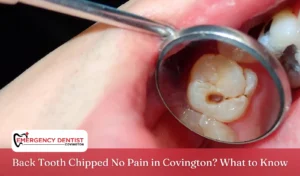
Cracked, Chipped, or Broken Teeth
Falls and direct blows can cause tooth fractures. Some involve only a small portion of the tooth’s outer surface, while others may extend farther into the tooth.
The seriousness of the damage cannot always be determined from appearance alone. A dentist can examine the affected area and determine which treatment options may be appropriate.
Loose, Displaced, and Knocked-Out Teeth
A hard impact can loosen a tooth without removing it completely. A tooth may also shift forward, backward, or sideways from its usual position. In some accidents, a permanent tooth can be knocked completely out.
These injuries may be considered dental emergencies and should receive prompt professional attention. If a permanent tooth comes out and you find it, handle it by the crown rather than the root and contact a dental professional as soon as possible for instructions.
Injuries to the Gums and Other Tissues
Not every sports accident causes direct tooth damage. Soft tissue injuries can affect the gums, tongue, cheeks, or lips, particularly when the mouth is struck or the teeth press against nearby tissue.
These oral injuries may occur alone or together with damage to the teeth, making a professional evaluation useful after a significant accident.
What Happens After Dental Trauma?
Following dental trauma, a dentist will usually ask how the injury happened and examine the affected part of the mouth. The evaluation may also include nearby teeth, gums, and the patient’s bite.
Dental X-rays can provide additional information about areas that are difficult to assess visually. More complicated injuries involving the facial bones or jaw may require evaluation by an oral and maxillofacial specialist.
Treatment depends on the types of injuries identified during the examination. A small chip may be managed differently from a tooth that has been displaced or damaged internally.
If the tissue inside a tooth has been seriously affected, root canals may sometimes be considered as part of treatment. The dentist can explain whether this approach is appropriate based on the condition of the individual tooth.
How Mouthguards Help During Sports

Mouthguards are designed to cushion the teeth when the mouth receives an impact. They may be useful for athletes involved in activities where contact, falls, or flying equipment could put the teeth at risk.
Different options are available. A custom fit mouthguard is created around an individual’s teeth and bite, which can help it stay comfortably and securely in place during activity.
A mouthguard should also be inspected over time. Cracks, tears, worn areas, or changes in fit can be signs that it is time for a replacement.
When Should You Seek Dental Care?
Some common dental injuries in sports are immediately noticeable, but others may be harder to recognize after the initial impact.
A tooth that becomes loose, changes position, breaks, or feels different after an accident should be evaluated. Persistent bleeding, swelling, or a sudden change in the way the teeth come together are also reasons to contact a dental professional.
A timely examination can clarify what has been injured and whether treatment or monitoring is appropriate.
Final Thoughts
Athletes cannot prevent every accident, but appropriate protective equipment can help reduce the chance of serious mouth injuries. A well-fitting mouthguard is an important consideration for activities that place the teeth at risk.
If an accident does affect the mouth, professional evaluation can identify the extent of the damage and help determine the next steps for care.
Find Support After a Sports Dental Injury in Covington
An unexpected hit during a game or practice can leave you wondering whether your tooth needs urgent attention. If you experience a sports-related mouth injury in Covington, an Emergency Dentist in Covington can examine the affected area and explain the treatment options that may be appropriate for your situation.
Contact the office for guidance if a sports accident has damaged a tooth or another area of your mouth.
Frequently Asked Questions
Can a tooth hurt several hours after a sports injury?
Yes. Discomfort may sometimes develop after the initial accident rather than immediately. If a tooth begins hurting or feels different following an impact, contact a dentist for advice about an evaluation.
What if my bite feels different after being hit in the mouth?
A change in your bite can mean that a tooth or another part of the mouth has been affected. Avoid trying to move a tooth yourself and arrange a professional dental evaluation.
Can I wear a mouthguard if I have dental implants?
In many cases, yes, but the guard should fit correctly around your teeth and dental work. A dentist can recommend an appropriate mouthguard based on your individual needs.
Does a small tooth chip always need treatment?
Not every small chip requires the same care. Its location, depth, and condition of the remaining tooth can influence what is recommended, so having the tooth checked is a sensible next step.
How often should children have their sports mouthguards checked?
Children’s mouths change as their teeth and jaws develop. Their mouthguards should be checked regularly for changes in fit, wear, or damage and replaced when they no longer fit properly.